With its exceptional soil, climate and water supply, California is truly the tomato’s home base and today it grows 95 percent of the USA’s processing tomatoes and approximately one-third of the world processing tomatoes production, with between 9,5 and 13 million metric tonnes processed annually over the last five years.
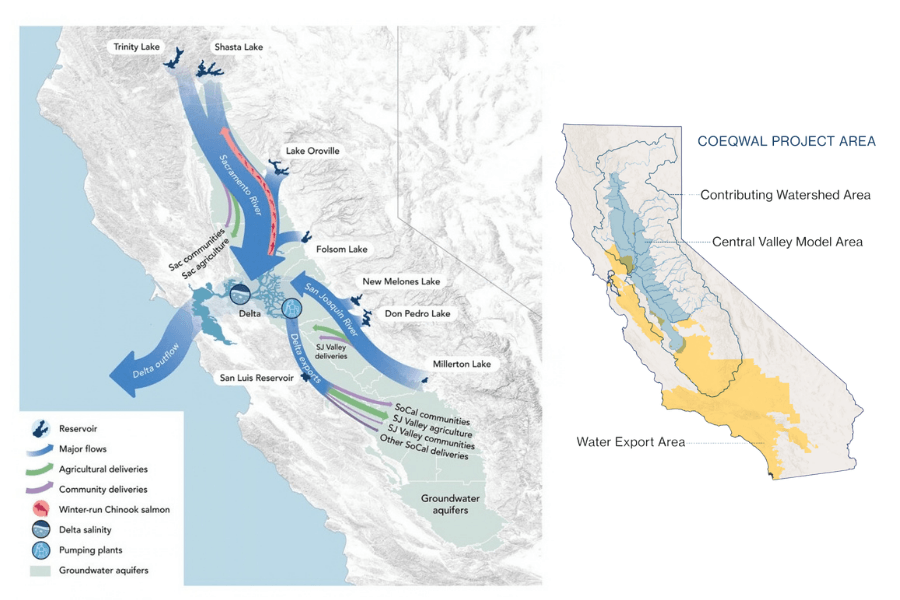
Processing tomatoes are largely grown in the 16 counties of the California Central Valley, which can be divided into the two geographical locations of the Upper Central Valley and the Lower Central Valley, which span a distance of 640 kilometers and have a widely varied climate. During the growing months, temperatures can reach a high of 100°F (38°C) or above and drop to lows of 40°F (4°C) or below. The amount of precipitation also varies considerably depending upon geographical location. The average annual rainfall ranges from as little as 26.9 cm at the far end of the Lower Central Valley up to 44.4 cm in the Upper Central Valley. As a result, the demand, supply and cost of irrigation also varies widely throughout the different regions. The Lower Central Valley has greater restrictions and higher demand for irrigation water thereby raising the cost well above the other regions of the state which has led the way in the generalization of drip irrigation which went from only 2% of the surfaces in 2001 to over 80% now. The Lower central Valley begins planting anywhere from late January to late April and harvest is from late June to end of September. In the Upper Central Valley planting extends from February to mid-June and harvest can begin as early as July and extend as late as November. A small percentage of tomatoes are grown along the Central Coastal Valleys. This region usually plants from mid-April to May and harvest is from August to mid-October.
These nutrient rich soils, nearly ideal climate conditions, water availability, hybrid bred for the local conditions, and California’s commitment to research, development and adoption of technological innovations have enabled to reach average farm yields of 105 metric tonnes per hectare.
The US processing tomato industry has realized substantial growth and changes with improved yields and increased efficiency at the grower and processor levels, making it one of the most cost effective globally. More than 80% of the total volume is processed into tomato paste and the industry has restructured to consolidate production capacity, shifting towards more direct marketers, who sell bulk paste rather than remanufacturers. Ten of the 13 main processors are in the TOP 50 list of global processors, including the world N°1. A full range tomato products from dehydrated, organic, paste, puree, juice, whole peeled, sliced, diced, ketchup, sauces, salsas, and many others is manufactured from these primary products.
After years of production increase driven by high domestic demand and a drive towards increasing exports, over the last few years, production capacity has been reduced to concentrate on supplying a stable domestic market and other North American markets. Only small quantities of foreign products are imported, mainly from Italy.


(click on any image to expand it)