News
Morning Star Tomato Bites September 2026 Release
The California crop comes into focus as harvest advances and new conversations emerge around provenance, transparency and tomato research
Morning Star colleague Aaron Giampietro is back with another TOMATO BITES by Morning Star update. This month, Aaron shares the latest from California’s 2026 processing tomato harvest, a growing global focus on tomato provenance and supply-chain transparency, and new research exploring the potential benefits of concentrated tomato products.
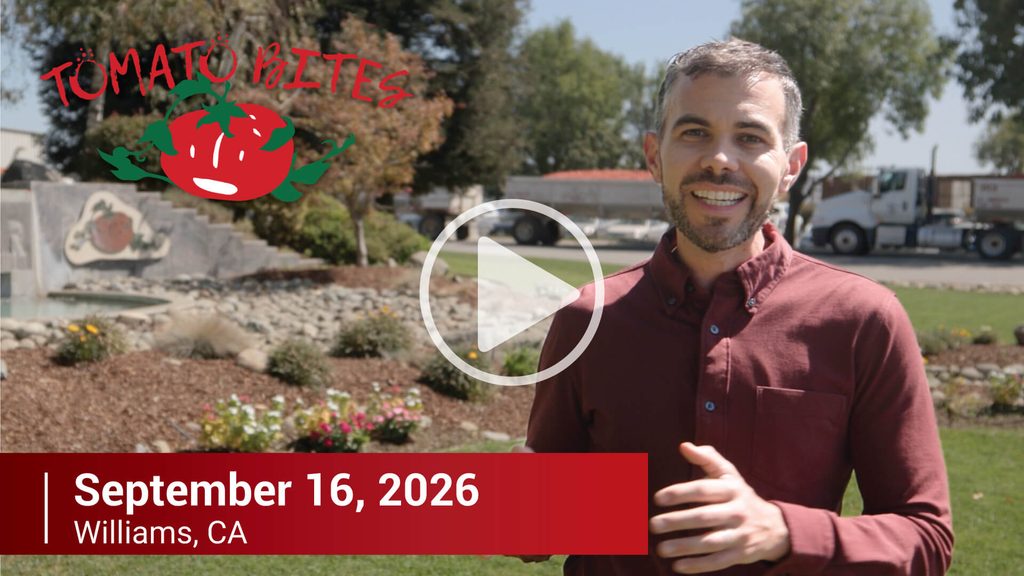
Click here or on the image to access the video. Or read the transcription below.
Hello everyone, this is Aaron Giampietro from The Morning Star Packing Company, with your September sixteenth, two thousand twenty-six Tomato Bite update.
California’s processing tomato harvest is now well past the halfway point, giving us a much clearer picture of the 2026 crop.
USDA NASS released its latest California processing tomato forecast on August 28, increasing expected contracted production slightly from May to 10 million paid short tons. Harvested acreage is forecast at 182,000 acres, with an average yield of 54.9 tons per acre. That would put production approximately 10% below last year, while still representing an above-average yield from a wider historical context.
Statewide crop observations generally support the NASS outlook. Through early September, cumulative California deliveries are running approximately 9% behind the same period last year, while weekly deliveries remain strong through peak harvest. Yield and quality have varied throughout the season, but overall both remain good, with none of the significant weather or disease issues that can sometimes define a California crop. The timing of deliveries has also shifted somewhat later this year. Where California would typically see strong volumes during late July and August, some of that production has moved into September, with unusually strong yields being reported this late in the season. With a smaller crop overall, some processors are still expected to complete their seasons earlier than usual, even as statewide deliveries remain relatively strong later into the harvest.
Beyond this year’s harvest, another interesting development is occurring around tomato provenance and supply-chain transparency.
Investigations in the United Kingdom and, more recently, Australia have used scientific provenance testing to evaluate whether the geographic origin of processed tomato products is consistent with their stated supply chains. While some of the findings have been disputed by affected suppliers and retailers, the broader development demonstrates growing interest in independently verifying where food products originate.
Here in the United States, newly introduced bipartisan legislation known as the ROMA Act would direct USDA researchers to establish scientific isotopic signatures for processing tomatoes grown in different regions. The objective is to provide another tool for verifying country of origin and strengthening transparency throughout the tomato supply chain.
We believe this reflects a broader evolution in the food industry. Customers increasingly want to understand not only what is in their food, but where and how it was produced. California’s established traceability systems, regulatory oversight, and transparent agricultural supply chain provide important underlying strengths as provenance becomes an increasingly visible part of global food sourcing.
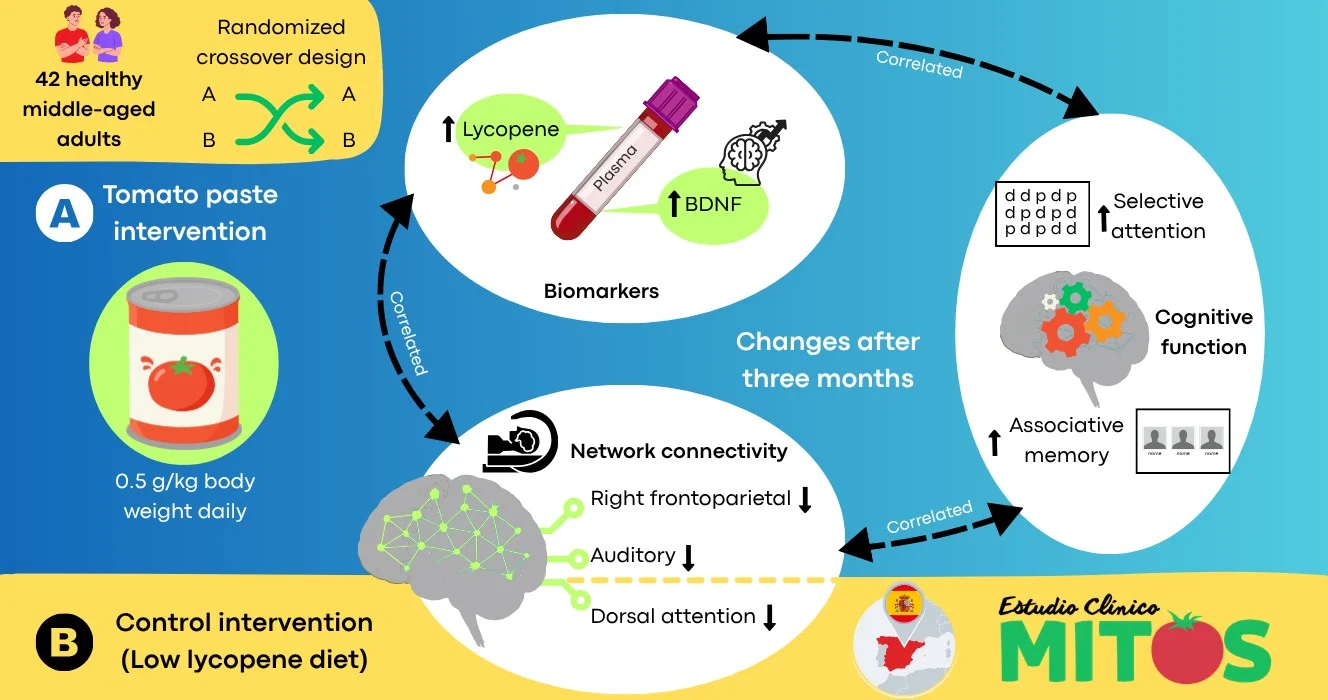
And finally, an interesting piece of tomato research: a recently published randomized clinical trial examined adults consuming approximately thirty-five grams of concentrated tomato paste per day for three months. Researchers reported improvements in measures of selective attention and associative memory, along with significantly higher circulating lycopene levels. The authors note that additional research is needed, but it is an interesting reminder that there is still much to learn about the foods our industry produces.
For those interested in learning more, we’ve included links to both the ROMA Act and the tomato research in the website post featuring this Tomato Bite video.
We’ll be back next month as California approaches the conclusion of harvest with a look at final crop performance and the developing global supply picture. As always, please visit our website for the latest market information, and contact us with any questions or comments.
Thank you.