News
Upcycling Tomato Cutin into High-Performance Packaging
While the tomato processing sector is well aware of established outlets for pomace—from animal feed and land spreading to lycopene recovery and biomethane—recent developments in green chemistry are opening up an entirely new tier of byproduct value. A study published in Biomass and Bioenergy by Rita Escórcio, Anakeila Bento, and Cristina Silva Pereira highlights how tomato peel cutin offers a distinct chemical advantage over other agricultural residues, moving pomace utilization from low-margin waste management into high-value material science.
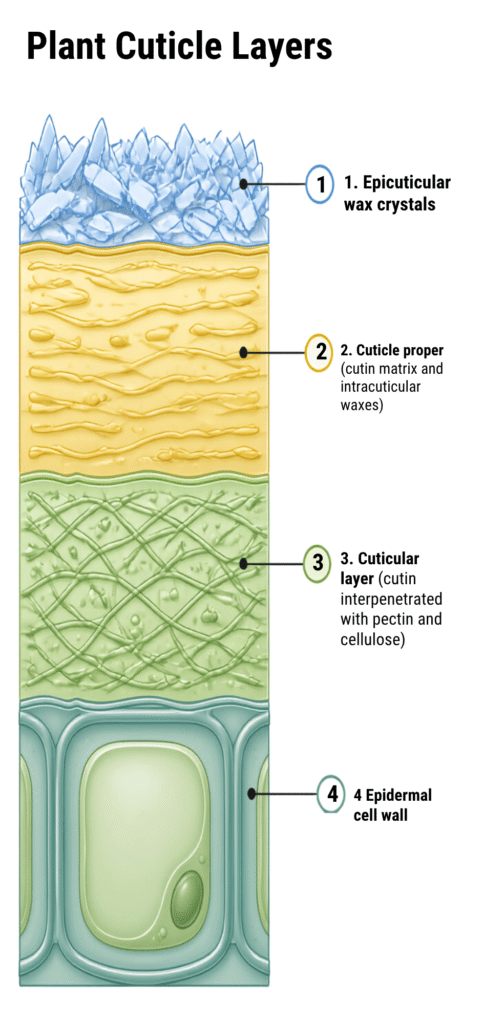
Unlike many fruits whose skins contain complex, hard-to-separate structural compounds like cutan, the tomato cuticle consists almost entirely of pure cutin—a natural, waterproof plant polyester. When isolated from industrial processing peels, cutin can be depolymerized into specific hydroxy fatty acid monomers. Rather than trying to forge a pure tomato-derived plastic, which remains cost-prohibitive at scale, these extracted monomers serve as high-performance, bio-based additives for existing biopolymers.
This distinction is key for commercial packaging applications. Market-leading bioplastics like poly(lactic acid) (PLA) are widely adopted but suffer from high brittleness and moisture sensitivity. Incorporating tomato cutin monomers directly into polymer blends functions as a natural, non-toxic plasticizer. The resulting composite significantly increases flexibility, thermal stability, and water-barrier performance—eliminating the need for synthetic, petroleum-based additives or phthalates.
Ultimately, the authors conclude that tomato peel cutin represents a promising, renewable source of polyhydroxy fatty acids capable of replacing fossil-based monomers in eco-friendly polymer synthesis. By demonstrating that functional polyester networks can be effectively recovered without destroying the inherent monomer structure, the study highlights tomato peel waste as a valuable green chemistry feedstock for sustainable packaging and coating applications.
Source : Research Gate, DOI:10.1016/j.biombioe.2025.108901