News
Study: Tomato powder beats isolated lycopene
A recent study has found that whole tomato powder does better than the extracted carotenoid lycopene in quelling post exercise inflammation. But an expert cautions that the study's small scale makes drawing large conclusions difficult.
The study drives at the heart of one of the debates in the natural products industry, that being, is a pharmaceutical reductionist approach the correct one? Or are health promoting fractions of foods and herbs best offered in their 'wholefood' matrices?
Support for 'entourage' effects
Some information points to the entourage effect of natural matrices. In the case of guayusa (of which leaves are dried and brewed like a tea for their stimulative and antioxidant effects), the caffeine in this Amazonian rainforest botanical seems to perform differently than does caffeine by itself. The botanical is reputed to boost concentration and focus without causing the jitters some consumers report with caffeine use. The speculation on the part of at least one supplier is that it is the addition of the other constituents of this complex botanical that accounts for these effects.
So what about the constituents in a tomato? Has there not been extensive research on this food, and have all of these issues not already been resolved?
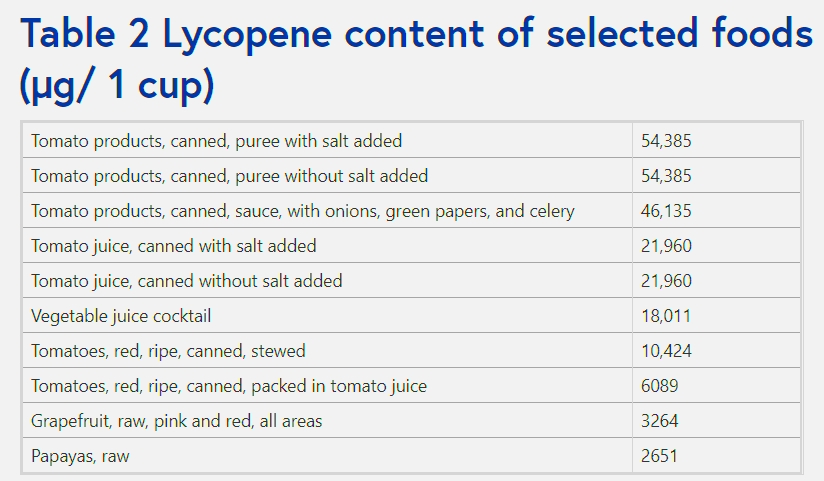
Perhaps not. The recent paper looked into whether lycopene in the presence of other tomato constituents performed differently than does lycopene by Itself. Lycopene is a red carotenoid found in tomatoes, watermelons, pink grapefruit and other foodstuffs. A review published in 2017 associates lycopene with cardiovascular health benefits such as LDL cholesterol improvements and blood pressure regulation.
Some information points to the entourage effect of natural matrices. In the case of guayusa (of which leaves are dried and brewed like a tea for their stimulative and antioxidant effects), the caffeine in this Amazonian rainforest botanical seems to perform differently than does caffeine by itself. The botanical is reputed to boost concentration and focus without causing the jitters some consumers report with caffeine use. The speculation on the part of at least one supplier is that it is the addition of the other constituents of this complex botanical that accounts for these effects.
So what about the constituents in a tomato? Has there not been extensive research on this food, and have all of these issues not already been resolved?
Perhaps not. The recent paper looked into whether lycopene in the presence of other tomato constituents performed differently than does lycopene by Itself. Lycopene is a red carotenoid found in tomatoes, watermelons, pink grapefruit and other foodstuffs. A review published in 2017 associates lycopene with cardiovascular health benefits such as LDL cholesterol improvements and blood pressure regulation.
Study: Tomato powder beats lycopene
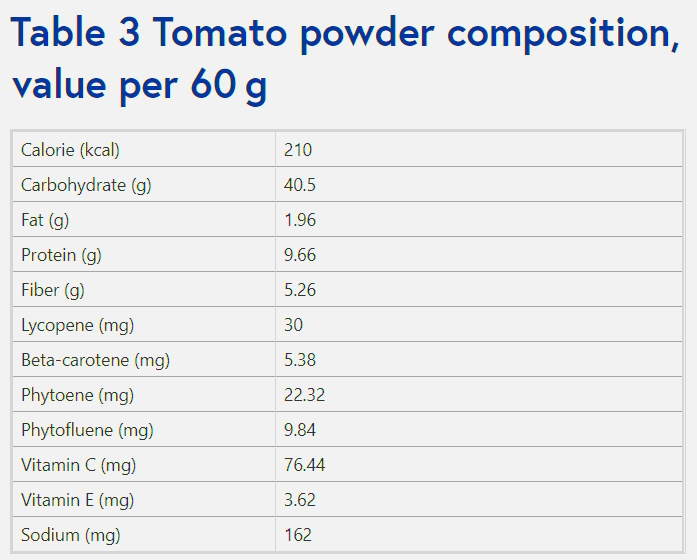
The present study, published in the journal of the International Society of Sports Nutrition, looked specifically at lycopene's antioxidant property. As study materials the researchers used a tomato power that provided 30 mg lycopene, 5.38 mg beta-carotene, 22.32 mg phytoene, 9.84mg phytofluene, and 30 mg of lycopene by itself via a commercially available supplement or a placebo.
The researchers recruited 11 trained male athletes for the randomized, crossover study. Each athlete took one of the study materials for a week prior to an exhaustive exercise trial. Blood was drawn pre- and post-exercise to measure total anti-oxidant capacity (TAG) and variables of lipid peroxidation including malondialdehyde (MDA) and 8-isoprostane.
The researchers found evidence of a distinct entourage effect for the tomato powder material. "Beneficial effects of tomato powder on antioxidant capacity and exercise-induced lipid peroxidation may be brought about by a synergistic interaction of lycopene with other bioactive nutrients rather than single lycopene," they concluded.
Does that mean standalone lycopene products are trading on false promises? Would consumers seeking these benefits be better off just eating more pasta sauce?
Study's small size colors results
Stefan Gafner, PhD, chief science officer of the American Botanical Council said the study's small size makes it difficult to draw big conclusions from it.
"Having more clinical data on the health benefits of botanical ingredients is always welcome. However, in this case, the meaningfulness of the study is limited. First, there were only 11 athletes involved in the study, and while this was a randomized, placebo-controlled, double-blind crossover study, meaning that each participant received the tomato supplement, the lycopene supplement, and the placebo with a 2 week washout period in between treatments, this is still a very small clinical study," he said.
Gafner also said the title of the research may be somewhat overstated.
"Based on the small participant size, it may not surprise that the differences in the antioxidant status, and the reduction of markers of oxidative stress (malondialdehyde) and lipid peroxidation (8-isoprostane) between tomato supplement and lycopene were not statistically significant, despite the authors contention in the title that 'Tomato powder is more effective than lycopene to alleviate exercise-induced lipid peroxidation'. There was, however, a significant difference between tomato powder and placebo with regard to all the biomarkers," he added.
Stefan Gafner, PhD, chief science officer of the American Botanical Council said the study's small size makes it difficult to draw big conclusions from it.
"Having more clinical data on the health benefits of botanical ingredients is always welcome. However, in this case, the meaningfulness of the study is limited. First, there were only 11 athletes involved in the study, and while this was a randomized, placebo-controlled, double-blind crossover study, meaning that each participant received the tomato supplement, the lycopene supplement, and the placebo with a 2 week washout period in between treatments, this is still a very small clinical study," he said.
Gafner also said the title of the research may be somewhat overstated.
"Based on the small participant size, it may not surprise that the differences in the antioxidant status, and the reduction of markers of oxidative stress (malondialdehyde) and lipid peroxidation (8-isoprostane) between tomato supplement and lycopene were not statistically significant, despite the authors contention in the title that 'Tomato powder is more effective than lycopene to alleviate exercise-induced lipid peroxidation'. There was, however, a significant difference between tomato powder and placebo with regard to all the biomarkers," he added.
According to the conclusion of the study, “The administration of tomato powder improved antioxidant capacity and alleviated the response of biomarkers of lipid peroxidation to exhaustive exercise in well-trained athletes. Yet, the identical amount of lycopene did not result in similar outcomes. Thus, it may be concluded that beneficial effects of tomato powder on antioxidant capacity and exercise-induced lipid peroxidation might be brought about by the synergistic interaction of lycopene with other bioactive components. This shows that whole tomato contains chemical compounds that can enhance beneficial outcomes in synergy compared to single compound”.
“There was a trend towards a higher effect of tomato powder compared to lycopene, but the difference was marginal and needs to be confirmed in much larger studies," Gafner concluded.
Reference:
Gholami, F., Antonio, J., Evans, C. et al. Tomato powder is more effective than lycopene to alleviate exercise-induced lipid peroxidation in well-trained male athletes: randomized, double-blinded cross-over study. J Int Soc Sports Nutr 18, 17 (2021). https://doi.org/10.1186/s12970-021-00415-7
Full text:
Tomato powder is more effective than lycopene to alleviate exercise-induced lipid peroxidation in well-trained male athletes: randomized, double-blinded cross-over studySource: nutraingredients-usa.com