
News
Stricter BPA regulation to apply from September
Extended restriction to coating materials
Stricter measures on bisphenol A (BPA) in food contact materials will apply from September this year.
Commission Regulation (EU) 2018/213 of 12 February 2018 on the use of Bisphenol A in varnishes and coatings intended to come into contact with food and amending Regulation (EU) 10/2011 as regards the use of that substance in plastic food contact materials was published in the Official Journal on 14 February 2018. The European Regulation, which will apply from 6 September 2018, significantly tightens the restrictions on the use of BPA in food contact materials (FCMs). Varnished or coated materials and plastic materials placed on the market before this date may remain until exhaustion of stocks.
A specific migration limit (SML) of 0.05 mg/kg food for BPA migrating from varnishes or coatings applies to materials or articles intended for food contact. Current levels allow an SML of 0.6 mg of BPA per kg of food (mg/kg). The SML is the amount allowed to migrate from the plastic material into food.
It prohibits use of the chemical to manufacture infant “sippy” cups as well as migration of BPA from coated materials containing food intended for infants and children 0-3 years old.
 Safe Food Advocacy Europe said it is a “missed opportunity” to ensure better protection of EU consumers by introducing a full ban on the use of BPA in all food packaging. The European Parliament Environment Committee (ENVI) voted to approve the legislation earlier this year. At the time, the Greens/EFA group in the European Parliament called the decision a “missed opportunity” and PAN Europe said it was “regrettable”. The Health and Environment Alliance (HEAL] said it failed to protect citizens' health and will “mainly benefit” the chemical industry.
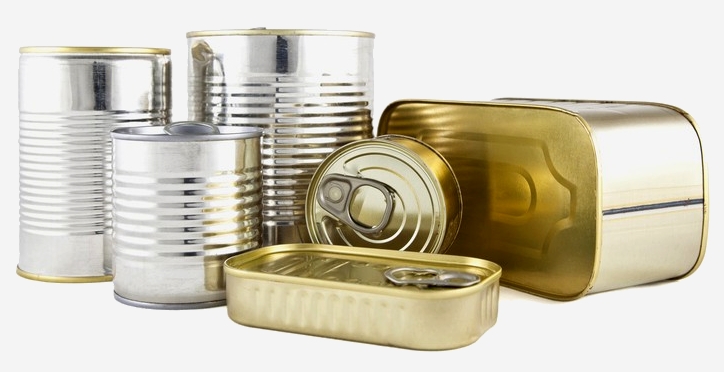
The Commission said there is insufficient information on replacement substances and more assessment would be needed on safety and effectiveness before BPA could be totally replaced. Most food and beverage cans (around 80%) use BPA based epoxy-resin technology as a coating.
The EU canning industry has around 90 lines operational. Around 50 billion beverage and 20 billion food cans are produced each year. The metal can manufacturing sector has claimed switching to alternatives would mean a decrease in the shelf life of canned food by one to two years which could lead to an increase in food waste.
The European Food Safety Authority (EFSA) is to re-evaluate BPA on the basis of new studies and scientific data to address remaining uncertainties after giving the substance the all clear in 2015. A temporary Tolerable Daily Intake (t-TDI) of 4µg/kg body weight per day was set during the last evaluation.
This work is due to start in spring 2018 and once completed, the Commission will assess findings and decide what, if any, further action is necessary.
Data from the US-based Consortium Linking Academic and Regulatory Insights on BPA Toxicity (CLARITY-BPA) study will also be available soon (see our article "FDA: BPA is safe").
Sources: foodqualitynews
Some complementary data
You can access the full document by following this link:
http://eur-lex.europa.eu/legal-content/EN/TXT/PDF/?uri=CELEX:32018R0213&from=EN










