News
Quantity and quality have been the order of the day
San Juan: 50% of the country's production in 2019?
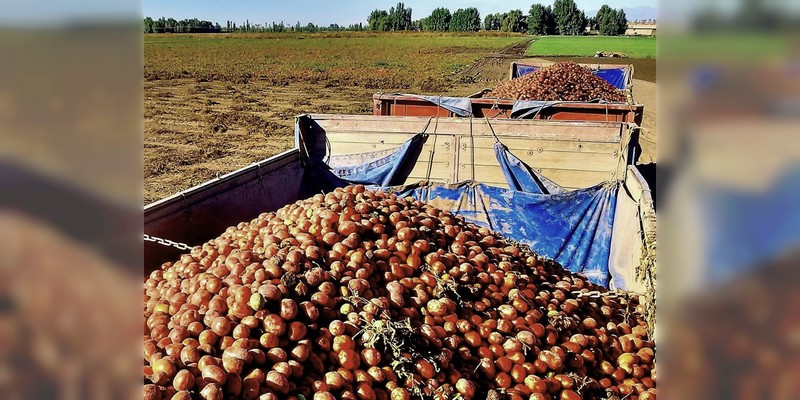
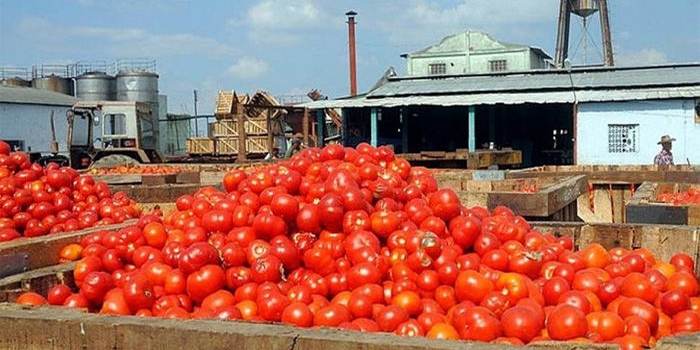
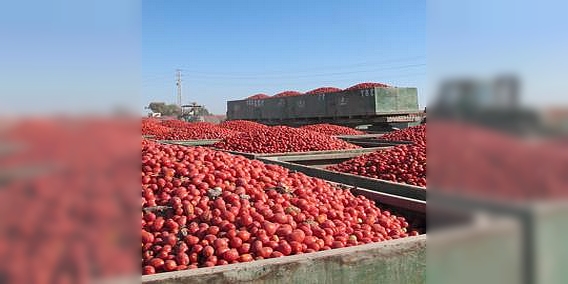
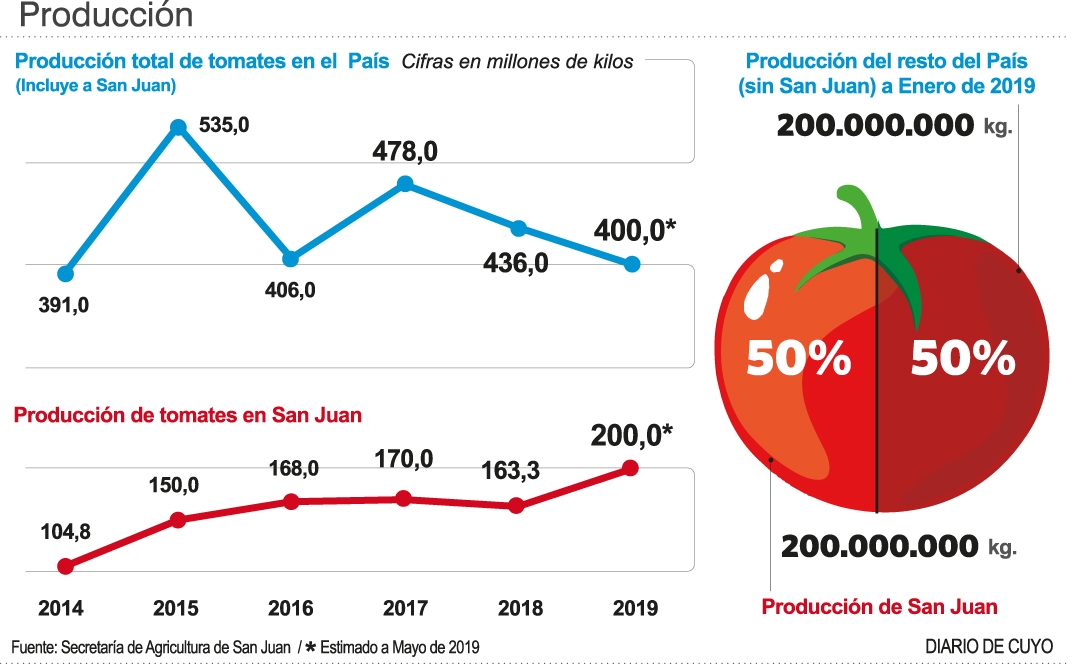
Weather conditions permitting, the processing tomato harvest in the San Juan region is expected to reach close on 200 000 metric tonnes (mT) this year, which means that the area would be responsible, for the first time, for half of Argentina's national production.
For the time being, local sources indicate that production is satisfactory in terms of quantity and quality, and only mention a few difficulties linked to weeds. Windy and cloudy weather conditions this spring have indeed hampered the application of herbicides and plant-health products. As of 25 January, planted area represents 5 541 hectares for a forecasted production of 400 000 mT this year; there were some rains in San Juan but with good yields, reaching 100-120 t/ha on average. The harvest is starting in the region of Mendoza, where some 400 ha were affected by hail in the north-eastern part of the region. The current situation in the Rio Negro and La Rioja is satisfactory, with high temperatures and high humidity.
 According to official estimates, San Juan's increased contribution to the country's production in 2019 is merely the consequence of sustained planted surfaces in this region, in a context that has seen a drop of approximately 10% in total of planted surfaces around the country due to economic difficulties. Mr. Ariel Lucero, Minister of Agriculture, recently explained that San Juan – which will be hosting the next World Processing Tomato Congress from 15 to 19 March 2020 – produced close on 164 000 mT last year, grown on 1 959 hectares (83.7 mT/ha) whereas the Argentinian harvest as a whole (436 000 mT) was grown on a total surface of 6 500 hectares (amounting to a national average yield of 67 mT/ha and a result for growing regions "excluding San Juan" that is below 60 mT/ha).
In 2019, the ministry has estimated that the drop in planted surfaces in a number of provinces, like the Rio Negro, will lead to a decrease in harvest volumes, which might not exceed 400 000 mT. "Despite this season's crisis in the region of San Juan, surfaces have been kept up and, despite a slight drop, last year's average yields sometimes reached the historic level of 100 mT/ha, meaning that we can look forward to a harvest of 200 000 mT, accounting for 50% of the country' national production." »
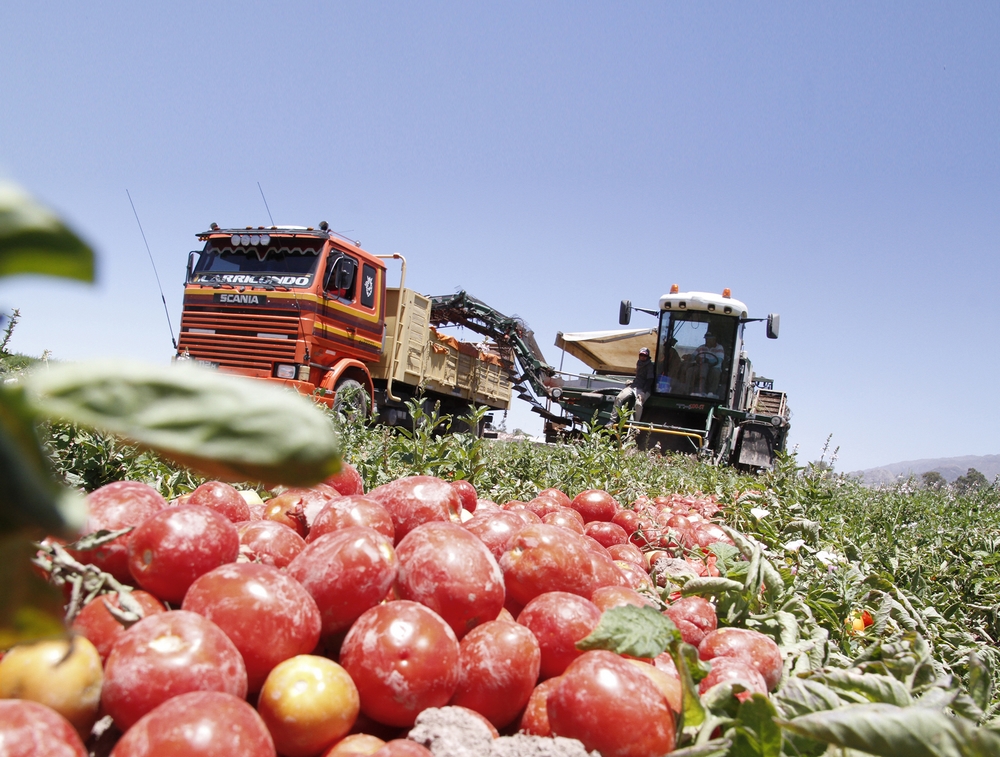
The tomato harvest started early January in the San Juan province, but the main operations only really started on 7 January, and are expected to last until April or May. The President of the Tomate 2000 association, Guillermo Quiroga, declared that the first fields to be harvested, recorded similar yields to those of last year (98 mT/ha according to official figures).
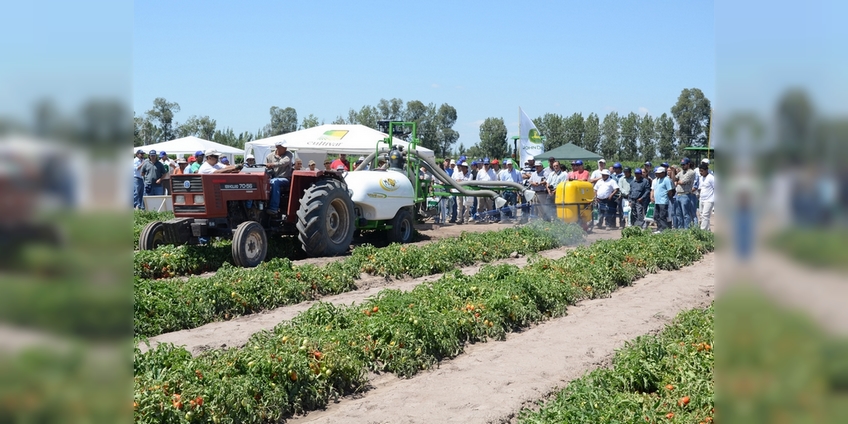
"Production in San Juan remains more effective than in other regions, thanks to the integration of technology. Here, more than 90% of the planted fields are watered by drip-irrigation systems", stated Quiroga. The development of the complete mechanization of cultivation and the high proportion of machine harvested fields also represent a decisive factor.
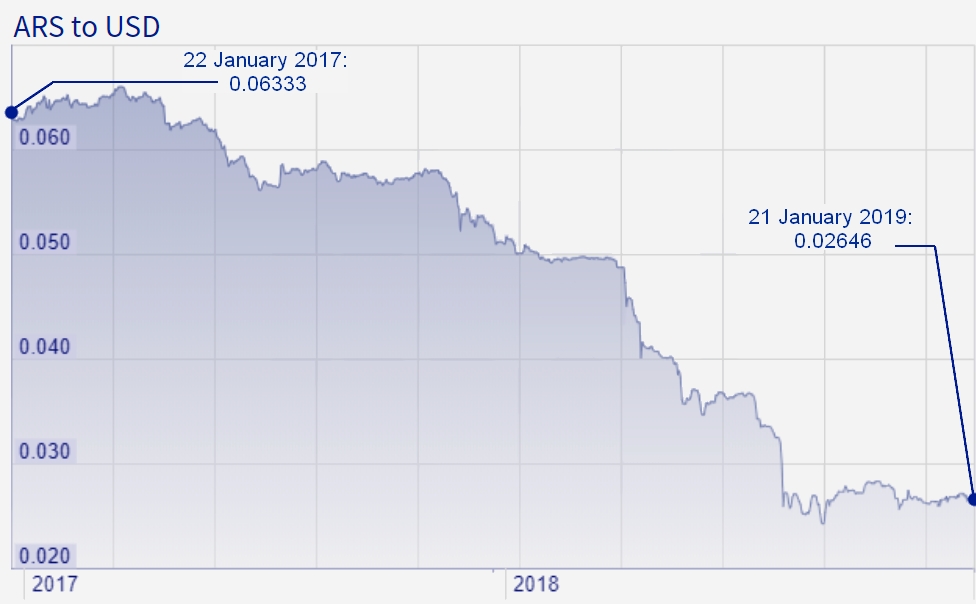
As for processing, the Ministry of Industry pointed out that the main processing site in the region of San Juan – the La Campagnola plant (Arcor group) – has increased its capacity this year, while capacity has been decreased in the Rio Negro. In 2019, the company is starting up some new production lines and is expected to process 110 000 mT, compared to 86 000 mT last year. Mr. Lucero added that approximately 10 000 mT grown in the Mendoza region would also be processed. "With a regional harvest of approximately 200 000 tonnes, this plant alone will be responsible for half of local production," mentioned Mr. Lucero. Regional press sources have explained that the price paid to growers is to be definitively fixed at the end of the season. Growers have stated that their starting point is last year's closing price, which was 1.93 Argentinian pesos per kilo (EUR 45 /mT or USD 51 /mT). "But we are all hoping that this year, processors will increase the price and take account of the rising costs resulting from devaluation," they added.
Source: diariodecuyo.com.ar/economia