News
Valorisation of by-products: Agrimax and ECOAT projects
17 million Euros for the development of bio-lacquer
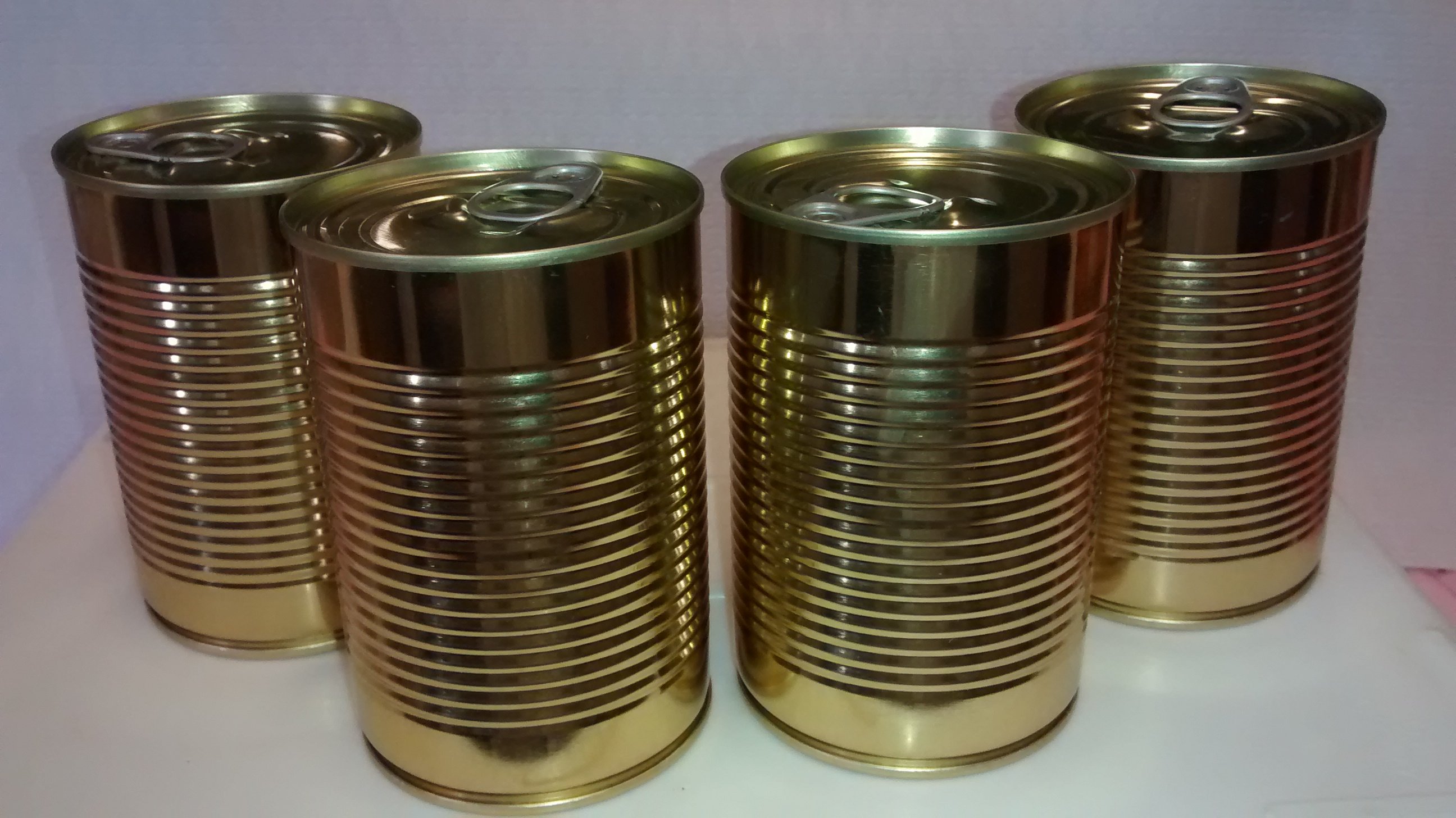
The Experimental Station for the Food Preserving Industry (SSICA) supplies suitable solutions to the food preserving industry in terms of product and process innovation. SSICA has developed an innovative and environment-friendly alternative to the oil-based lacquers usually applied on the metal packaging surface. This alternative is a cutin-based lacquer from processing tomato by-products.
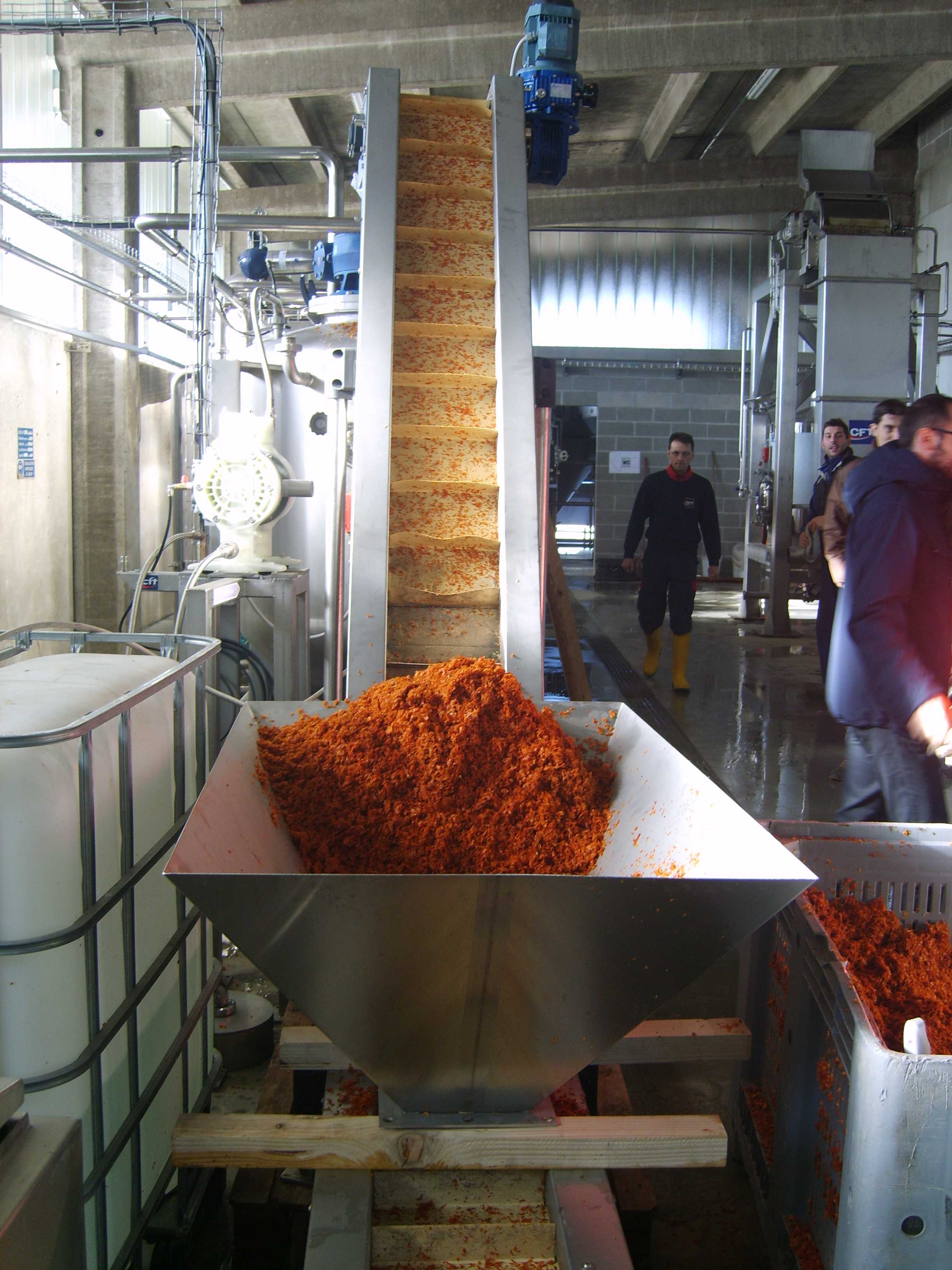
The LIFE BiocopacPlus project has proved the technical semi-industrial up-scale of the cutin extraction and production systems, previously developed at laboratory scale in FP7 BIOCOPAC research project.
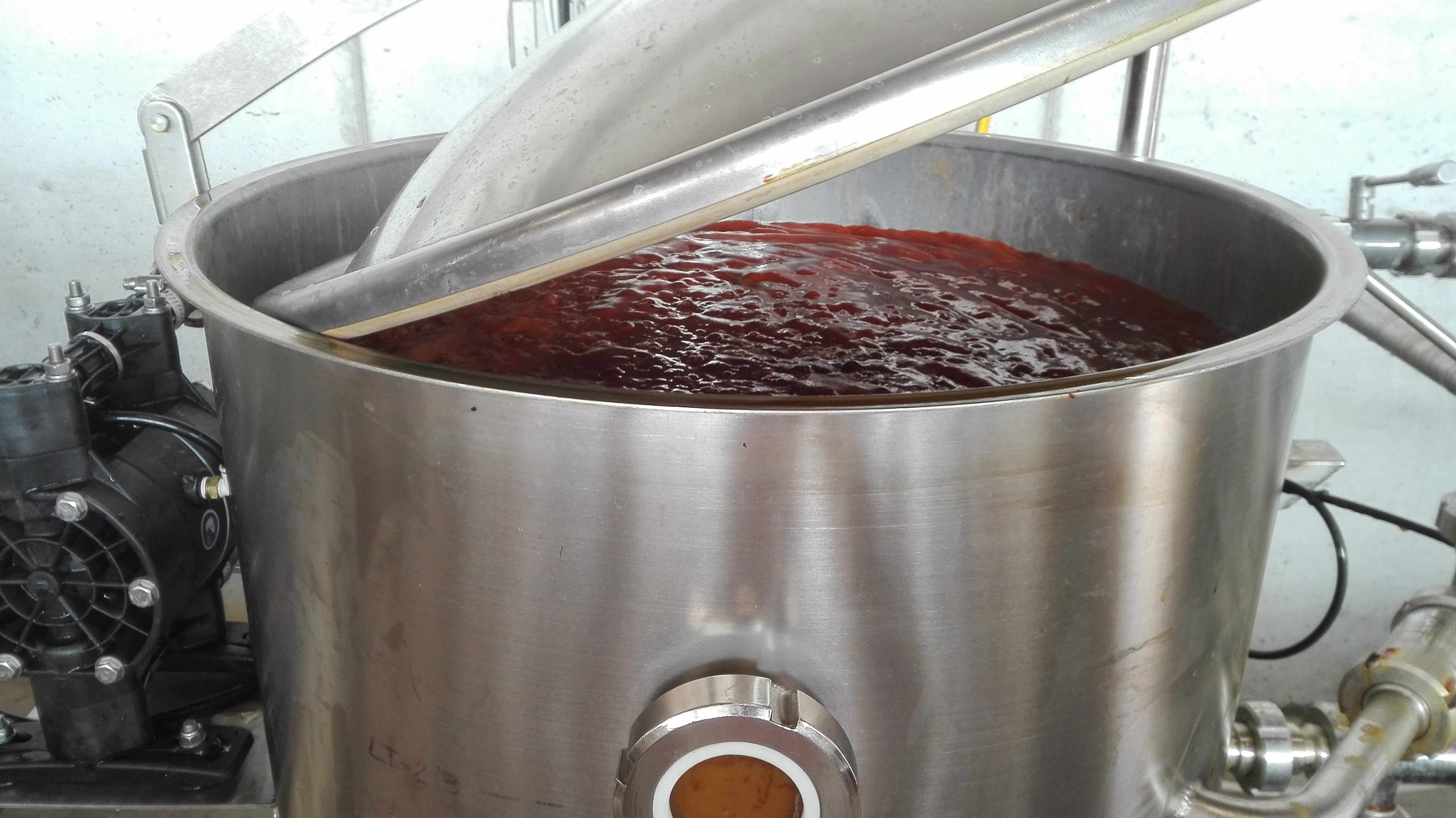
 Thanks to the Agrimax project, a further research and development of the cutin-based lacquer formulation is possible, optimizing the extraction process of cutin by increasing the capacity of the plant. Furthermore, the goal of SSICA for the Agrimax project is to define the operational conditions for the extraction of lycopene from tomato wastes. After the separation of tomato skins by flotation and the extraction of cutin, the extraction of lycopene and minor carotenoids from tomato skins will be set-up. In fact, the extraction of cutin does not influence the purity and the yield of the lycopene extraction process.
 Agrimax (Agri and food waste valorisation co-ops based on flexible multi-feedstocks biorefinery processing technologies for new high added value applications) is a H2020 BBI funded project with a BBI JU contribution of Euros 12,484,461.46. This four-year EU project involves 29 partners across 11 European Countries and is designed to establish the technical and economic viability using bio-refining process on waste from crops and food processing to deliver new bio-compounds for the chemical, bio-plastic, food, fertilisers, packaging and agriculture sectors.
This project has received funding from the Bio Based Industries Joint Undertaking under the European Union’s Horizon 2020 research and innovation programme under grant agreement No 720719.

In order to facilitate the industrial production and distribution of the new bio-lacquer obtained as a by-product of industrial tomato processing, the start-up Tomapaint srl has been founded by Dr. Angela Montanari, Stefano Chiesa, Alessandro Chiesa and Tommaso Barbieri in March 2019.
The economic benefits for tomato growers and tomato processors are the value given to their processing waste and a consequent reduction in disposal costs. For the bio-lacquer synthesis no specific equipment or reagents other than those usually used for traditional lacquers are requested. This means that there will be no additional costs for bio-lacquer preparation and that all the equipment already used for traditional lacquers can be easily used for the new bio-lacquer. No change to standard production lines and related processes is required so the financial relevance of this result is undeniable. The extraction of cutin and lycopene permits a new and different possibility to exploit processing tomato wastes for higher-value and useful products.
 On May 2019 a new BBI project, funded by H2020-EU.2.1.4 and H2020-EU.3.2, has started for SSICA, its name is “ECO sustainable multifunctional biobased COATings with enhanced performance and end of life options – Ecoat”. The overall objective of the ECOAT project is to select, extract-functionalise molecules (proteins, polysaccharides, cutin) from highly available, low valorized biomass such as tomato, legumes, sunflower etc. for the development of new bio-based coating materials to be applied on two different substrates (cellulosic and plastic based), with improved performances compared to currently available products and at the same time with more sustainable end of life options.
SSICA will develop the cutin-based formulations for coatings water repellent (paper cups, service paper etc.), water vapour barrier (packaging) and protective properties (non-food packaging). This three-year EU-funded project involves 17 partners across 8 European Countries and will end on April 2022 with an EU contribution of Euros 4,613,778.25.

This project has received funding from the Bio Based Industries Joint Undertaking (JU) under the European Union’s Horizon 2020 research and innovation programme under grant agreement No 837863. The JU received support from the European Union’s Horizon 2020 research and innovation programme and the Bio Based Industries Consortium.

Some complementary pictures


Source: SSICA