News
Low temperatures delayed the start of the harvest
By the end of July, the processing tomato harvest had not yet begun in the biggest growing region of the province of Seville, the B12 sector, and local operators were not expecting to launch the harvest before 6 August, a very late date for this region in the southern part of Spain. This situation can be blamed on lower-than-usual temperatures during July, which barely rose above 30°C, whereas seasonal averages for the region are usually recorded around 40°C during this period. "These mild temperatures have had a big adverse effect on the crop, with harvest operations being delayed from 24 July to 6 August," explained Juan Sanchez Vargas, the President of the Las Marismas cooperative in Lebrija.
This Seville cooperative is very pessimistic regarding harvest prospects, as it estimates that "all agronomic and climate factors have played out against the crop this year." Primarily, the Las Marismas president has lamented the significant drop in surfaces planted with processing tomatoes: "In January, we had to face unexpected drought, and fears regarding water shortages convinced a number of growers to plant other crops. Then in February, it started raining, but it was already too late to replant lost surfaces." Whereas the 2017 season saw tomatoes for processing planted on approximately 2 350 hectares, they only extended over 1 560 hectares in 2018.
This considerable drop in surfaces has been compounded by the negative impact of heavy rainfall on agricultural yields, with growers expecting yields to "not exceed 100 mT/ha this year, whereas they were recorded at close on 130 mT/ha on average last season," added Juan Sánchez.
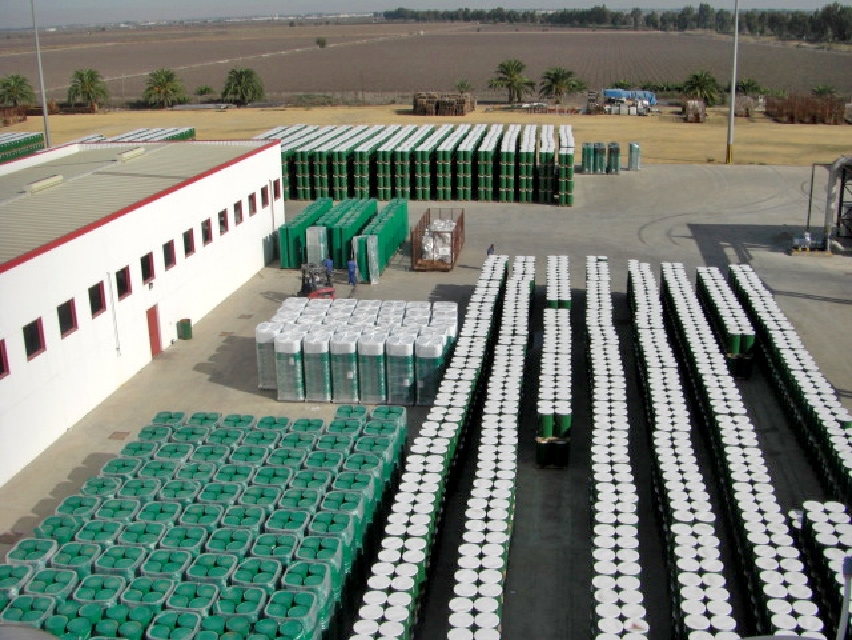 In the end, the Las Marismas cooperative in Lebrija is not planning to process more than 180 000 tonnes of raw tomato. The production of tomato paste is unlikely to exceed 30 000 mT of finished products, a volume that is 40% down on results from the 2017 season, during which the company processed approximately 300 000 mT of tomatoes. In terms of turnover, this drop in operations is expected to result in "a loss of approximately EUR 21 million," estimates Juan Sánchez, to which should be added expected losses in other sectors (pepper, cotton, etc.) which "have also suffered from spring rains and the lack of heat during the summer."
The Cooperative also regrets the commercial consequences of this drop in operations. More than 90% of the tomato paste manufactured by Las Marismas is exported to countries of Europe, Asia and Africa. Last year, products made in Lebrija were exported for the first time to South Korea, Turkey and Saudi Arabia. With the drastic reduction in the quantities produced, the company fears that it will have to "give up on these newly opened markets, and risk losing the business of these clients, which required a lot of time and effort."
(See also our articles (Spain: less quantity, more quality) and the article published in last February http://www.tomatonews.com/en/spain-soon-a-pdo-for-seville-tomato-paste_2_267.html)
Source: sevilla.abc.es/economia