News
Ralstonia Solanacearum: Prevention and speed are essential
All field operators are called to be vigilant
Operations have been launched by the regional authority in charge of controlling the response to the threat of Ralstonia Solanacearum bacteria. The first technical meeting was held 28 February in Parma, at the initiative of the Emilia-Romagna Plant Protection Agency, in order to coordinate control operations in 2018 and inform growers of their responsibilities.
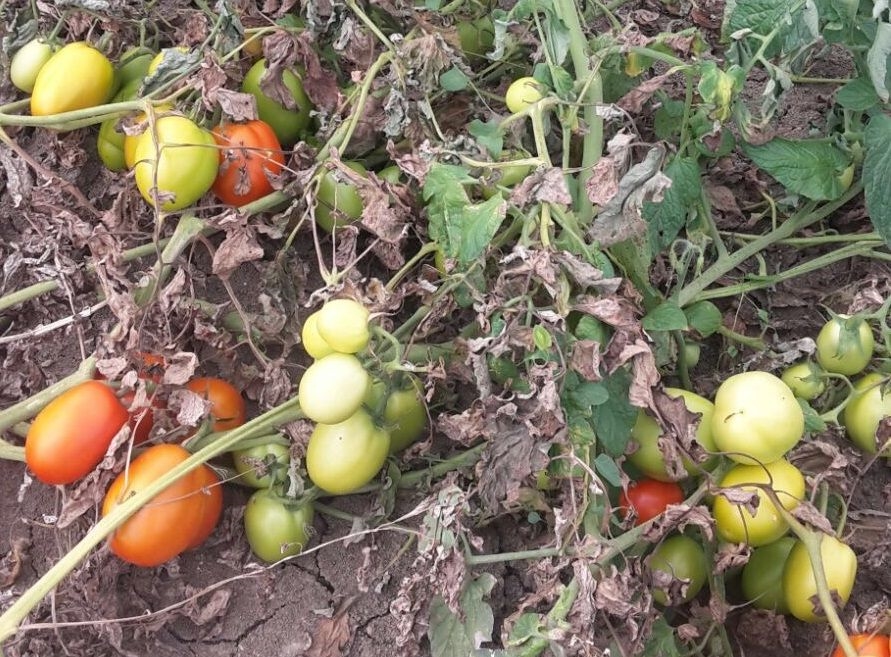 Ralstonia Solanacearum are a bacteria that originated in tropical and subtropical countries, subject to quarantine, which lead to the bacterial wilt of more than 200 plant species, particularly in the solanaceae family, which is particularly sensitive to their attacks. Several sporadic cases of the pathology were reported in Emilia-Romagna in the 90s, then again in 2014, before the attacks reported in 2017 – two cases in the province of Ferrara, two cases in Bologna, and four cases in Parma. All the crops were destroyed in order to contain the infection. The bacteria can survive in the soil for several years, but they can also survive in water, in plant waste, on scrap wood and metal, on rubber, and they can infect wild plants that then act as a "silent reservoir".
Planning is essential. The Regional Plant Protection Agency has been put in charge of monitoring and controls, but given the experience acquired during 2017, growers and technicians are now being asked to play a major role in the field, where they must function as early warning scouts and report any possible case as soon as they suspect anything. For the plant health services, the rules remain more relevant than ever, consisting in "using healthy raw materials that are supplied by accredited distributors, requiring the plant health passports in order to provide traceability, maintaining contact with technical assistance providers and immediately reporting any suspect symptoms: the sooner an infestation is identified, the less impact treatments will have on growers." Notifying plant health services and complying with their prescribed protocols are among the first steps to be taken in view of obtaining financial compensation.
 Emilia-Romagna regional authorities allocated EUR 250 000 to compensate for last year's losses and to face potential damage to the next crop. In 2017, an initial financial package was set up by the Pomodoro Nord Italia IO, in anticipation of compensation allocated by regional authorities, amounting to EUR 3 000 per hectare for all growers affected by the problem.
Source: agronotizie