News
Italy: “bacterial wilt” fund approved by the IO
An advance of EUR 123 000 on the regional compensation fund
"Exceptional measures to support growers and rapidly identity any outbreak."
 The Interbranch Organization for the processing tomato industry of northern Italy has approved the launch of an emergency fund for 2017, funded by IO members, in order to provide a guarantee of rapid and appropriate compensation for growers whose crops have been affected by Ralstonia Solanacearum bacteria. This is a preliminary measure designed to facilitate efficient cooperation within the industry and prevent any further contamination while avoiding the danger of disseminating this disease, which affects the growth of plants.
"The emergency fund is providing EUR 123 000 for the affected growers (who are members of the POs linked to the IO), which represents EUR 3 000 for each of the 41 hectares of crops destroyed on prescription from the plant-health authorities. Payments will be made during December, representing a refundable advance on the compensation provided in the context of regional legislation, which can amount to 100% of the trade value of the lost crops, to be paid before the end of 2018."
The IO president explained that this measure has been motivated by the particular context of the 2017 season, with unexpected and particularly virulent infections. The rapid destruction of affected crops is the only way of avoiding the spread of the disease. The absence in the 2017 budget of adequate resources to compensate growers who have been hit by this problem has led the IO leaders to include such resources in the 2018 budget.
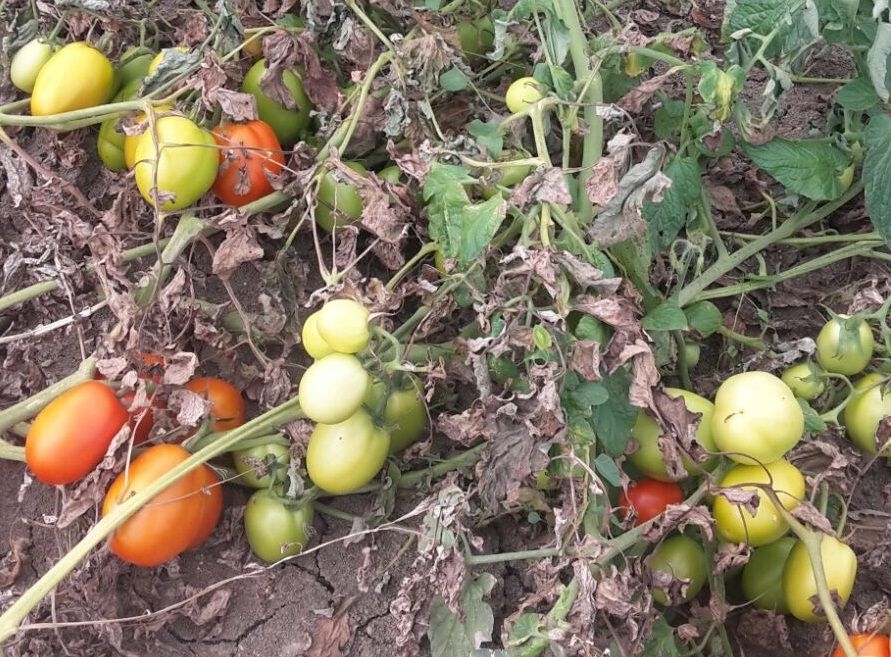 Ralstonia Solanacearum is a bacterium that has no effect on human health, but affects the growth of tomato plants. Its discovery in a crop implies quarantine measures, which in field conditions are carried out by destroying the infected crops in order to avoid the propagation of the disease. Any delay in reporting the presence of this pathogen, generally linked to growers' fears of losing income, increases the risk of spreading the disease to other fields and through the factories that receive contaminated raw materials.
Only growers who have lost part of their crop are eligible to receive this advance payment. The advance on compensation is paid out to the PO of which the grower is a member. The PO must activate the application for compensation and acts as a guarantor of its repayment.
Sources: Pomodoro Nord Italia IO