News
EU-Mercosur Trade Status
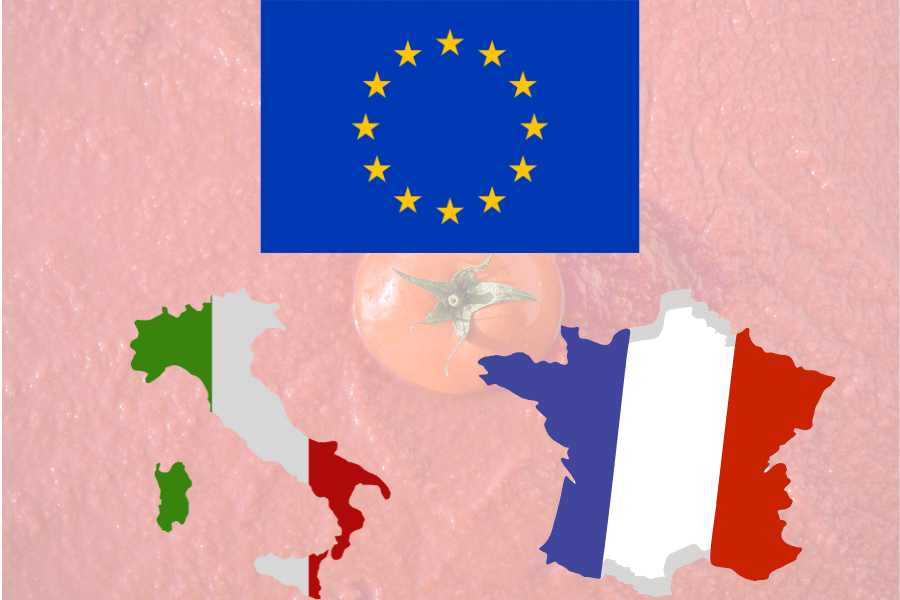
The EU-Mercosur Trade Agreement has entered a period of profound legal uncertainty following its formal signing on January 17, 2026. While the deal was initially cleared after Italy shifted its position to support the pact, a narrow European Parliament vote on January 21 (334 to 324) has referred the agreement to the European Court of Justice (ECJ). This judicial review, focusing on the legality of “splitting” the deal to bypass national parliaments, is expected to freeze ratification for 18 to 24 months.
Recent press reports have highlighted that the European Commission originally intended for the trade-related portions of the deal—known as the Interim Trade Agreement (ITA)—to be “provisionally applied” shortly after the signing. Under EU law, provisional application allows trade barriers to drop once the EU Council and Parliament approve the text, even before individual member states ratify it.
However, the Parliament’s successful referral to the ECJ creates a legal “stay.” Until the court determines whether the Commission had the right to split the deal, the Parliament cannot grant the final consent required for provisional application to begin. This effectively closes the window for any tariff reductions in 2026.
As a result of this judicial freeze, the existing reciprocal tariff regime remains the governing framework for trade between the two blocs. This creates a continued “protectionist wall” that impacts several key agricultural and industrial sectors:
- Mercosur to EU: Imports of South American agricultural goods, including processed tomatoes, remain subject to EU Common Customs Tariffs ranging from 14.4% to 35%. While the deal promises a phased removal of these duties over 7 to 10 years, the current legal deadlock ensures these costs will persist through the 2026 and 2027 harvest seasons.
- EU to Mercosur: Conversely, European exporters face a 20% Mercosur Common External Tariff (CET) on various processed foods and industrial goods. The proposed elimination of this tariff—intended to open a market of 270 million consumers to European “Made in” products—is now also on hold.
While the trade deal remains stalled in court, individual member states have begun implementing “mirror clauses” to address concerns over production standards. On January 7, 2026, the French government published a decree suspending the sale of produce—specifically targeting tomatoes, grains, and soy—containing residues of five pesticides banned in the EU, including mancozeb and glufosinate.
This move toward “chemical reciprocity” reflects demands from agricultural groups who argue that trade agreements must not allow imports that fail to meet European environmental and health standards. For processors, this means that even if the ECJ eventually clears the path for lower tariffs, new non-tariff barriers related to pesticide residues and “zero deforestation” regulations (EUDR) will likely dictate the actual flow of goods.
For the time being, the status quo is preserved. Mediterranean growers maintain their current tariff protections against South American imports, while EU exporters remain restricted by high Mercosur duties. The focus now shifts to the European Court of Justice in Luxembourg, where the legal validity of the “Interim Trade Agreement” will determine whether this decade-long negotiation finally moves toward implementation or faces another indefinite delay.
Sources : AFP, Politico Europe, ANSA/Coldiretti, Fruitnet