News
Crop protection: from the technical itinerary to the cultivation system
Growers at the heart of the system
In the tomato processing business, each tonne, each kilo of fruit, is a precious gain, particularly in an economic context that is constantly more demanding and constraining. But productivity is not enough – quantity is nothing if it is not accompanied by a high level of quality in the fruit in terms of health benefits, contents, color, soluble solids…
Agronomists dream of a Brix that is equal or higher than 10, and with this in mind, they attempt to combine their knowledge as efficiently as possible with weather and soil conditions that are best adapted to growing tomatoes, thanks to genetic considerations that are constantly improving, and to water and nutrients inputs that are always being more closely matched to the requirements of the plants. Above all, they seek to provide maximal and permanent protection for the plant, from the moment the seed is sown to the moment the fruit is harvested. All of the plant, with the diversity and complexity of the tissues and systems of which it is composed (roots, stems, leaves, fruits), must be protected against disease-causing agents and a number of infestations that can cause huge damages, to the point of completely destroying all cultivation efforts and annihilating production. For these reasons, crop protection programs in the tomato industry must articulate a number of complementary tools, techniques and products that are reliable and efficient, each of which must be applied with a specific action and goal in mind.
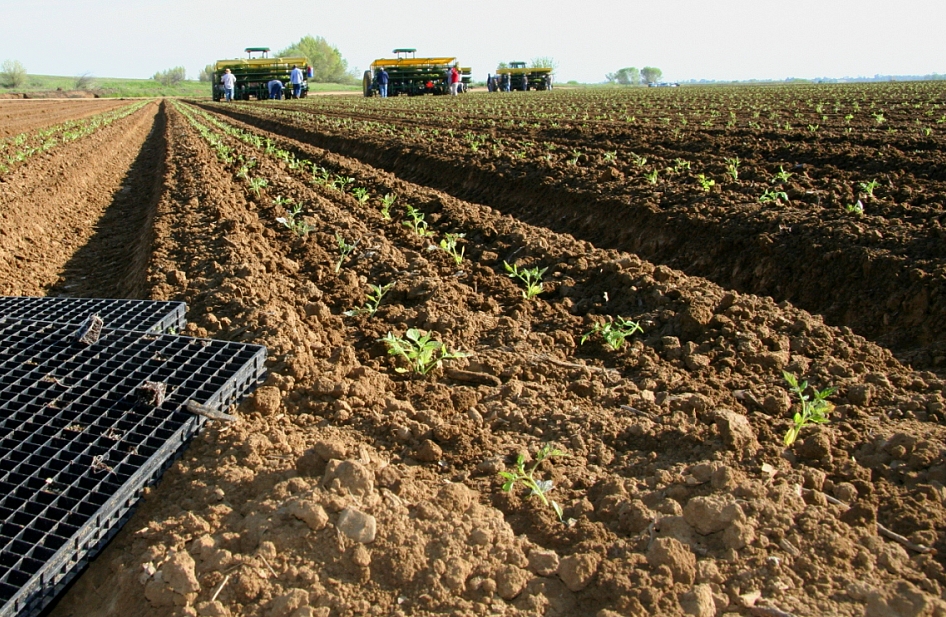 Processing tomato growers must face problems that are many and varied. In brief, an "ordinary" cultivation process cannot be taken through to a satisfactory conclusion without the grower stepping in and carrying out a number of careful and efficiently applied procedures, in order to deal with three major issues: weeds, mildew, and pests.
These three items – along with many others that cannot be mentioned here – take on a capital importance, not only in terms of the harvest and profitability, but also because they induce variations in terms of means and costs in the competitiveness between regions, countries, and processing zones, to the point of causing real discrepancies.
From the earliest cultivation stages, the plant must face competition from weeds in terms of space, nutrition, and irrigation. In some tomato growing countries, this issue is far bigger than in others, on the one hand because of the relative availability of authorized active substances, and on the other hand because of prevalent weather conditions. Indeed, the virtual absence of rainfall in normal conditions during the harvest in California represents a very specific case in point, while at the same time being representative of one quarter of the current worldwide production. This situation is particularly beneficial as it almost completely frees local growers from the need to deal with weeds. Conversely, in more northerly production regions or countries (northern Spain and Italy, China, etc.), the issue of weeding is a major preoccupation for growers, in ways that also depend on the cultivation systems being used.
For example, irrigation by aspersion encourages the germination and growth of weeds over the entire surface of the field, including right next to the tomato plants. Drip irrigation, whether above-ground or buried, deals with the water supply within close proximity to the plants, while all the other parts of the field, outside of the actual planted area (pathways, mound edges, etc.) are only watered by rainfall, and are therefore much less likely to host weeds. This is the case in Mediterranean regions and even more so in California, where micro-irrigation hoses are systematically buried, which means that the conditions of humidity required for weed germination are never met. Far from such an extreme case – where weeding work remains necessary at times – renewed germination throughout the planting season is a major concern in temperate and oceanic climates, or humid ones (south-western France, northern Italy, even Spain), which sometimes additionally use irrigation by aspersion.
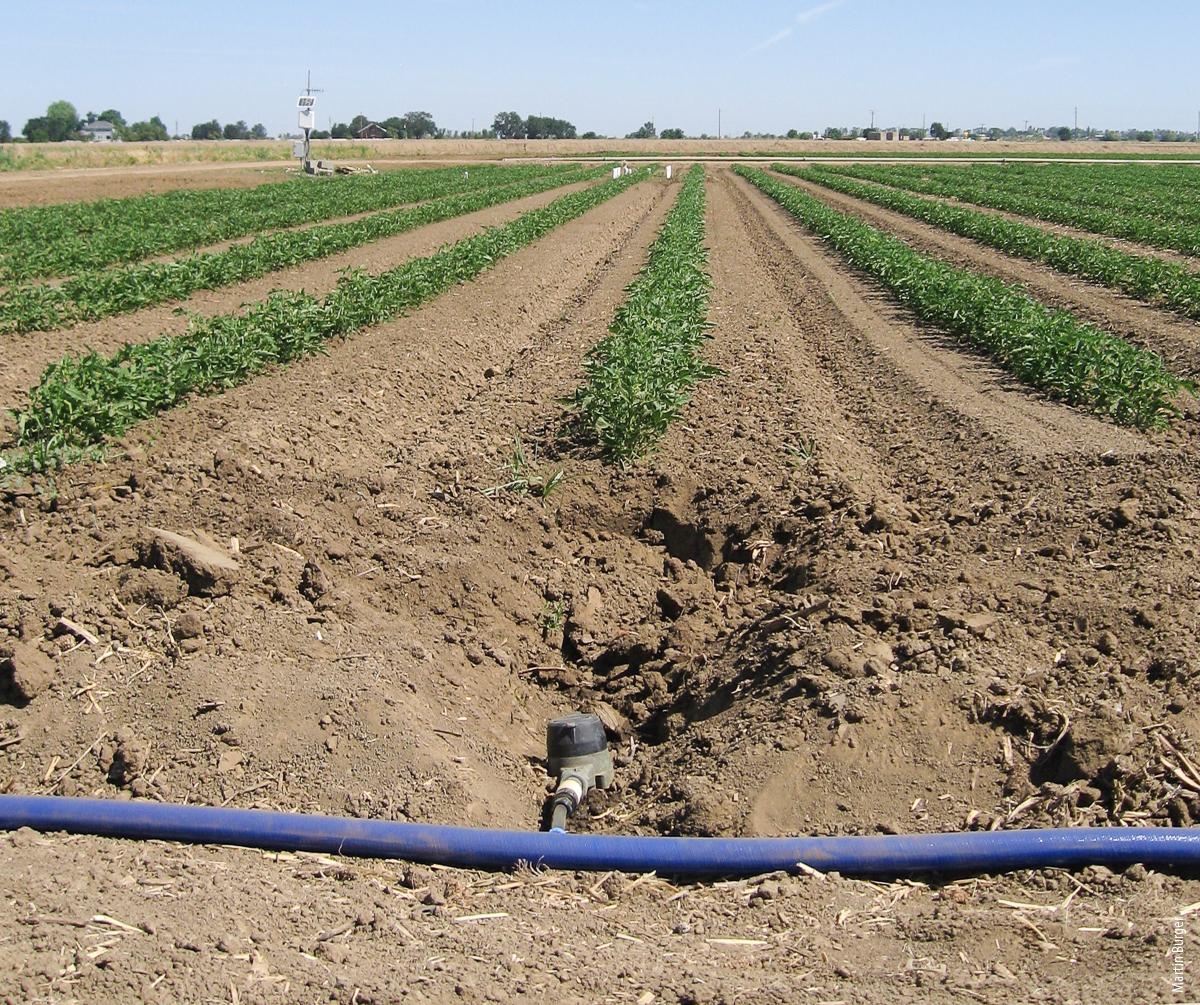 Pre-planting herbicides are authorized in some countries that grow processing tomatoes; in this case, a herbicide film is applied to the bed prior to planting, using traditional pulverization followed by an episode of aspersion of about 15 mm, in order to form a zone of a few centimeters deep (2 to 3 cm) in which weeds cannot germinate. This type of method remains usable in regions that are still equipped with aspersion irrigation systems (taking account of the health risks linked to this type of irrigation), but it is no longer applicable in regions where micro-irrigation is generalized. (See our special report on micro-irrigation in the Tomato News issue of February 2016.)
Opting for this technical solution completely prohibits any mechanical disruption of the "film" that has been created: digging the planting furrow, in which the tomato plants are positioned at intervals, "breaks" the herbicide film and allows the germination of weeds in the vicinity of the plants. The grower then has to deal with the development of weeds post-planting, by means of a contact herbicide (which is taken up through the exposed tissue of the plant). In any event, the efficiency of this technique remains limited over time, and does not avoid the growth of weeds, which are further encouraged by the use of irrigation by aspersion.
The issue of dealing with weeds is very important, as it already induces, at a very early stage of cultivation, distortions between different regions, and also between the different European countries. The technical issues raise a number of philosophical and political questions, as well as legislative aspects that European countries have decided to treat in the context of the "National Action Plans" (NAP) set up in the past four years in Italy, Spain, Portugal, etc. to deal with plant health problems. Total harmonization is not yet on the cards, but a consensus has clearly appeared in recent years around a drastic reduction in the number of plant health inputs that are authorized.
In this respect, Spain has solved the issue of weeding by dispensing with the systematic use of chemical treatments: for many years now, the problem of herbicides has found a "mechanical" solution in the use of biodegradable mulching, which strongly reduces the capacity of weeds to germinate and develop. However, this method has a cost: a direct cost, which is quite high, for the purchase and installation of the mulching, and an indirect cost, as it implies the extensive use of agricultural labor at the time of planting, something that is difficult to mechanize in this type of environment. But for the time-being, and because of a cost for labor that remains compatible with cultivation practices in general, this system represents a practical response to the problem of weeding. In neighboring countries, cultivation systems are framed by social and legal contexts that can be very different. In France, for example, the cost of biodegradable mulching remains too high to become commonplace (about EUR 800 /hectare for an average total cost for the crop of about EUR 6 000 /ha). In Italy, some products are still allowed for use by growers in dealing with weeds. Thanks to the PAN and the growing pressure of the lobbies that are active at the European level with regard to the greening of agricultural and environmental policies, these differences will probably progressively lessen over the coming years. However, local production conditions and cultivation systems, which vary from country to country, continue to form the basis of each product's identity.
 Such systems of cultivation, or production, are now recognized models for international research organizations: agronomists and technicians no longer work with "narrow" itineraries where the use of an active substance is understood with regards to a given usage, which is itself the resulting approach to a disease or a given problem. Increasingly, eco-agricultural practices are replacing traditional agricultural approaches and now apply to a crop as a whole or even to an entire farm, not just an isolated problem. Crop management is understood as an approach to a set of objectives, and no longer to a single product harvest.
Although the concept is spreading globally, agricultural models retain their specific features within production regions in a given country, within countries that produce a crop in the same region, and within the different processing regions at a worldwide level, because of the different ways in which growers deal with challenges and obstacles. But the major issues like weeds, mildew and pest infestations, against which growers need to have access to effective weapons, remain universal.
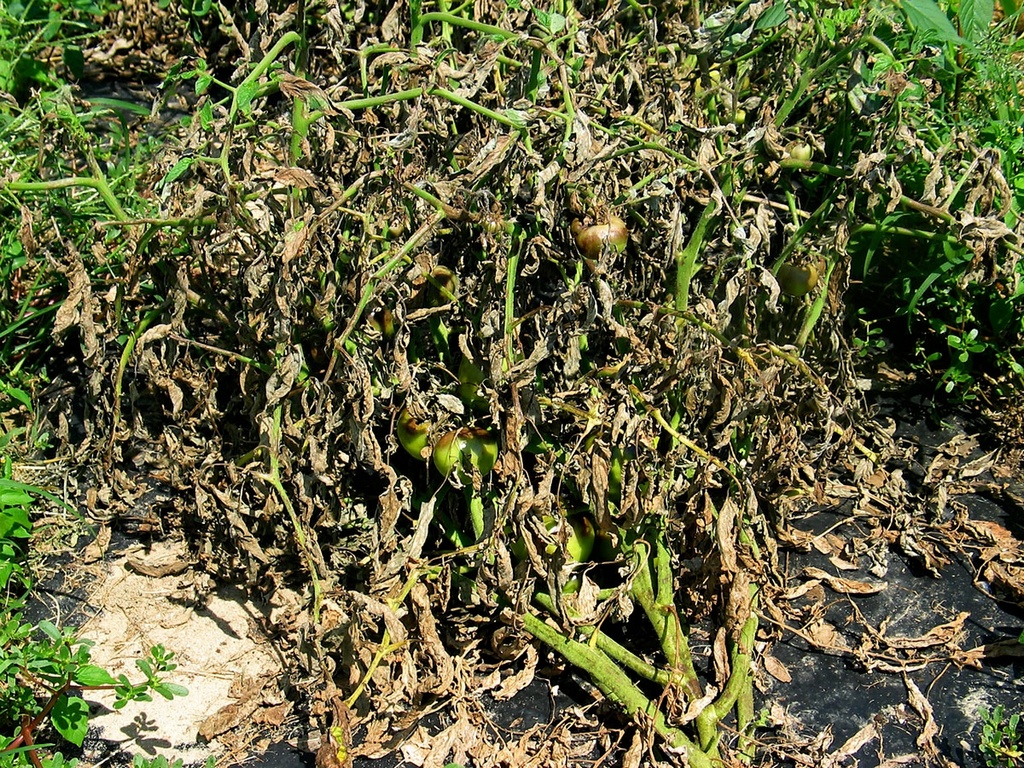 As for mildew, the second major issue facing the tomato industry, climate specifics, which are an integral part of cultivation systems, remain the major factor in the advent of an attack and the intensity of its consequences.
Traditional weapons against mildew are mostly based on the anti-fungal characteristics of several active substances that can act in the following ways:
- by contact, by creating a "barrier" between the parasite and the leaf;
- by penetrating into the plant;
- in a systemic way, being carried by the sap.
Tools that are more environment-friendly
Many treatment products and several of the possible approaches, which are increasingly based on synergies between active substances, multiple effects, or a compatibility with integrated crop protection measures, are available on the markets according to specific authorization criteria that vary from country to country. The makers of plant-health inputs have increasingly left behind the "all chemical" approach, as demonstrated by some of the innovations presented this spring, particularly in Italy. At the beginning of March, during a technical meeting organized by Bayer Crop Science in Piacenza, Vittorio Rossi, Professor of Plant Pathology at the Catholic University of Piacenza, reminded the audience that "Mildew and Alternaria are two pathogenic agents that are particularly dangerous and difficult to manage. Protecting processing tomato crops now requires more sustainable strategies, in compliance with directive 128 on the use of phytopharmaceuticals (according to the Italian PAN)."
While speaking about the trials carried out with the new products (Consento) launched by Bayer this year, Sergio Gengotti (ASTRA) pointed out that "the trials […] are aimed at […] contributing to updating the descriptive remit of integrated production. The new formulation [a complete product that offers systemic and simultaneous action against mildew and Alternaria] represents an interesting evolution compared to the fungicides available for disease control, and allows growers to be more effective in preventing the development of pathogenic strains that are resistant to fungicides, a factor that should not be neglected in order to maintain production standards that are of high quality whilst also respecting the environment, the health of consumers and the health of operators in the industry."
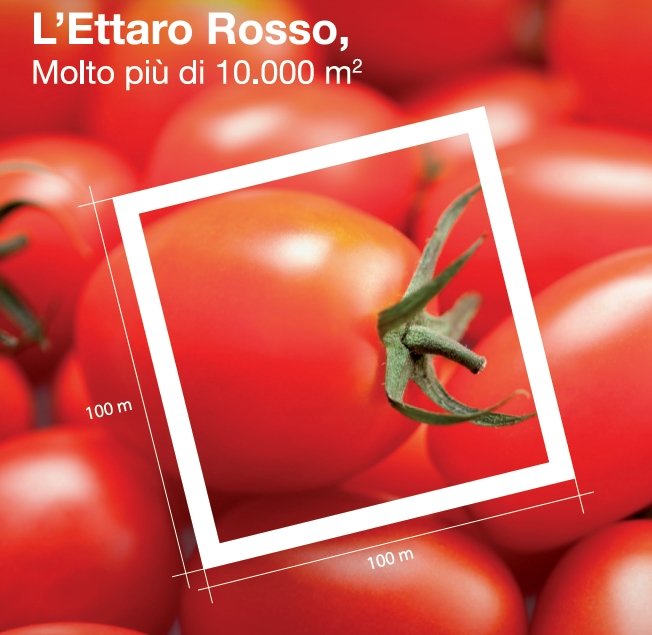
BASF has set up a strategy that brings together crop protection and yield development: the "Ettaro Rosso" concept (red hectare) is based on "a combination of different products that, in addition to protecting crops against major fungal issues, has a positive effect on the physiology of the plant, with a clear impact on the development of plant cover, on yield characteristics (+12%) and on the quality of the crop – the AgCelence effect".
 The many examples supplied by different operators in this area all demonstrate that the products used against mildew must combine best possible efficiency with flexible application, appropriate protection for both new shoots and developing fruit, and the possibility of being included in integrated crop protection programs, while adapting to anti-resistance strategies. In fact, the discussions regarding potentially negative effects (even dangerous ones) of some substances – of which the most recent example is the controversy surrounding glyphosate – have accelerated the efforts of the big names of the phytopharmaceutical industry who want to adopt approaches that are more respectful of health and the environment. Today, among the multinational companies operating in this sector (Syngenta, Bayer, Monsanto, Dupont, etc.), many have subsidiaries that are very active in the seed market. It is no accident that, just as national and international authorities are working on reducing the list of authorized products, the major companies operating in the area of plant health protection around the world are offering, alongside their traditional ranges, targeted varieties to deal with current problems in a way that is more acceptable from an environmental point of view.
A number of high-performance varieties are now linked to the major plant health multinationals. The interconnection between the plant health business and genetics is increasingly narrow, and it is no longer possible to talk about the challenges of crop protection without mentioning seeds and the seed breeding selection efforts being made by seed companies. In this way, the mildew issue, which is so important in France and northern Italy, is finding new solutions thanks to the development of varieties that are tolerant, if not resistant, to the disease. These new varieties, of which a good example is the Kendras variety, by Nunhems-Bayer CropScience, which came out winner at the last SIVAL event (Angers, France), are in the process of durably modifying the behavior of operators in the area of treatment programs, and represent an innovative approach that is very important with regards to the National Action Plans for reducing inputs. Varieties like Kendras (and several others that will soon be available on the market) allow operators to reduce the number of treatments applied throughout a season, and have an obvious impact in terms of costs, ecological impact, etc.
As for pests, and particularly plant-eating worms (like Heliothis), tomato growers now have trapping systems that are increasingly efficient. For agricultural production areas like southern Italy, Spain, France, which are more exposed than others, mention should also be made of the damage caused by the TSW virus (Tomato Spotted Wilt Virus), which is transmitted by Thrips. In addition to trapping, this problem has also found a response in the progress accomplished by genetics, with the development of many processing tomato varieties that now offer resistance or tolerance to TSWV. Until the emergence of varietal responses, plant protection made use of plant pharmaceutical substances, with a major difficulty being the need for preventive treatment before the vector of transmission (Thrips) drills into the plant and transmits the viral disease, something that occurs earlier and earlier in the season.
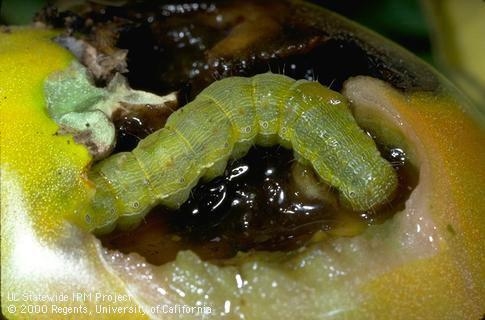 Genetic improvements have allowed, for example, some seed companies like IsiSementi to include this type of resistance in all varieties, with growers in southern Italy now having access to materials that enable them to plant crops in areas that had previously been unsuitable for processing tomatoes.
The case of TSWV and, before that, Pseudomonas and bacteriosis, which were traditionally handled by straightforward plant-health inputs based on chemical substances, have been indicative in recent years of a shift in scientific and agronomic thinking. These problems were among the first to benefit from genetic protection methods, particularly thanks to the introduction of resistances to bacteriosis. Resistance features like Verticiliosis (V) and Fusariosis (F) are almost commonplace today in processing tomato varieties and, like the resistances that they describe, are part of the daily life of tomato growers. They are now permanently included in the range of agricultural weapons that are progressively replacing traditional chemical inputs.
Genetic improvements are all the more important, today, for the fact that alternatives are actually quite limited in the fight against pest infestation issues. It remains very difficult to use integrated plant protection methods in open field conditions (using natural or "imported" predators and/or parasites as auxiliary protection). These techniques are commonly found in greenhouse cultivation, where predators can be introduced (Heteroptera against Thrips, whitefly, or greenfly, entomopathogenic fungi, etc.) in a confined and controlled atmosphere, insofar as the final value of the crop allows for this kind of fairly costly technique. Measures against bollworm, for example, can include a microhymenoptera that lives and grows inside the worm. Implementing this technique is very complicated in open field conditions, and its high cost renders it currently incompatible with the average cost of the crop. However, it is not unthinkable that using these parasitoids could be easier, both technically and economically, when they are stronger and more reliable, in the not too distant future, thanks to targeted automatic release systems by drones flying over fields.
Integrated pest control: from "phyto" to "bio"
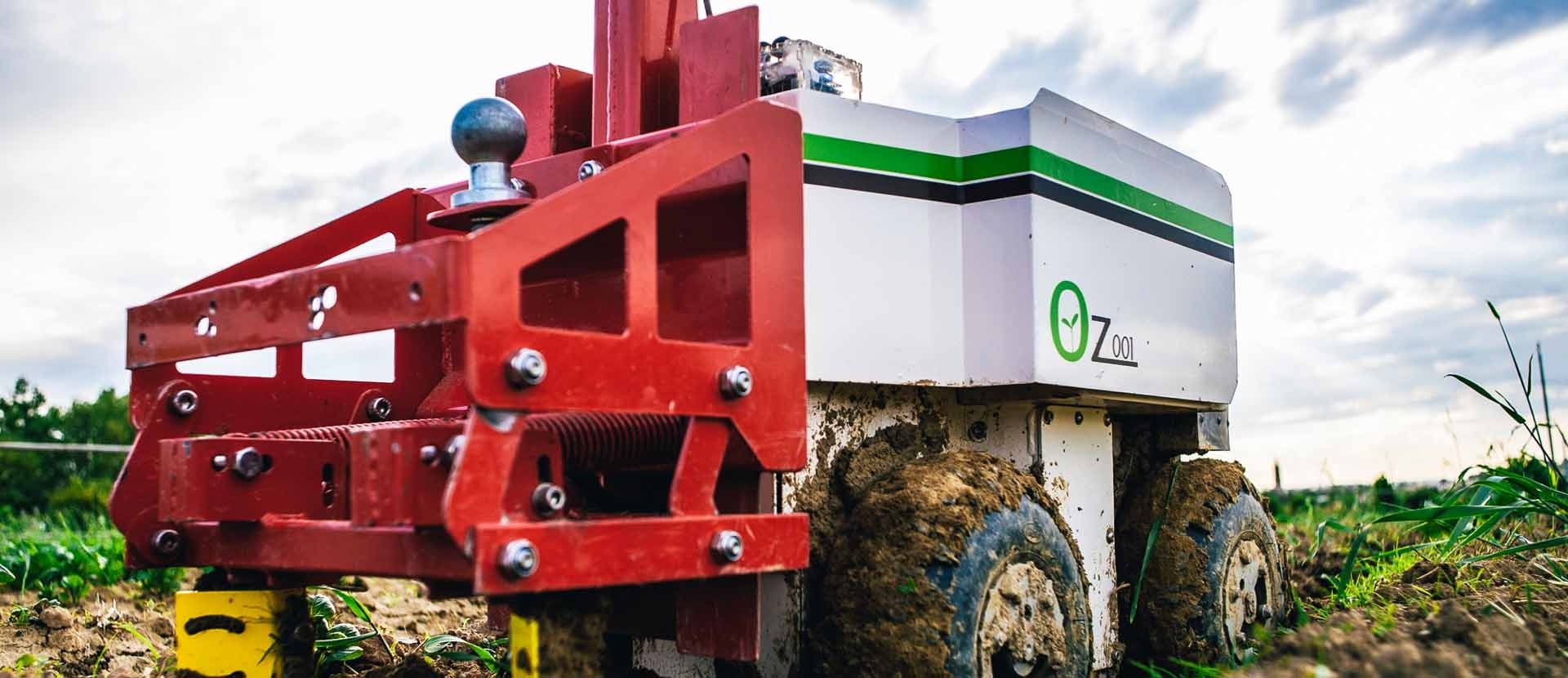 For the time-being, the main advances are occurring in the area of genetic crop protection, while alternatives for open field industrial crops are only at their early stages. Taking the example of the weed issue, mechanical hoeing remains limited by climate constraints, as the weather must be dry for the process to be reasonably effective. It is also only usable at the beginning of the plant life cycle, while the plant's development does not hinder the access of the machine.
 This is one solution, a tool among several others, that can be considered within a wider system that increasingly and efficiently does without chemical inputs, particularly CMR substances. In the interval before this drastic reduction of the input range profoundly and lastingly changes the situation, plant health input manufacturers are attempting to provide growers with products that are less aggressive. Some innovative natural solutions are appearing, like entomopathogenic fungi (Bayer) that can protect against wireworm. The Koppert company, which has been involved for many years in organic and integrated crop protection, is very active in this area, as are Syngenta, Bayer, Dupont… The shift from "phyto" to "bio", or organic, has become unavoidable for companies that hope to develop in this industry in the future and for industrial crop growers, with the difficulty of identifying and implementing new "natural" protection methods that do not stem from chemical synthesis, but still remain economically viable.
In greenhouse conditions, integrated crop protection uses both "soft" plant health inputs, parasitoids, and predators that can resist chemical substances, in order to fight against specific problems for which organic techniques are available. So programs and quantities are noticeably reduced, and applications are targeted in both space and time. These methods might inspire open field approaches to crop management in the future, but for the time-being, the situation is far from what processing tomato growers encounter on a daily basis, for obvious reasons of practicality and costs.
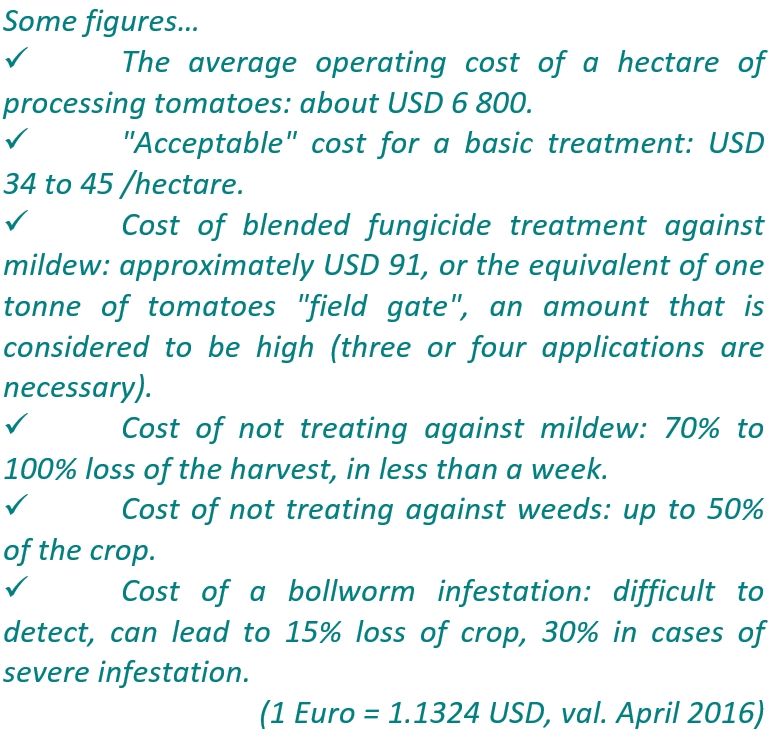 The incidence of the different problems clearly depends on general cultivation conditions: it will vary, and therefore require specific means and decisions, depending on whether the crop is grown in a temperate and/or humid region (France, northern Italy, northern Spain, but not southern Spain: mildew and weeds), or in a region noted for its rapid major changes in temperature or humidity, which are more likely to encourage Alternaria. Crops grown in southern regions, which tend to be dry and warm, are more likely to suffer from pest infestations (bollworm, Thrips, mites, etc.). Also, Thrips and TSWV are more frequently encountered in southern Italy or southern Spain than in the north of these countries. Similarly, mildew is not part of the major problems that Californian growers face, though their crops often suffer from underground diseases (linked to the plant cover and to vascular systems), viral diseases, or damage caused by pests (Heteroptera, etc.), but more rarely from surface diseases transmitted by an inoculum in humid conditions.
Resistance, tolerance and intermediary resistance
For the problems mentioned, the varietal improvements resulting from the progress achieved by genetic techniques have become increasingly unavoidable. The list of resistances, tolerances, and intermediary resistances is constantly growing and becoming more extensive, clearly focusing the decisions of growers on varieties that offer a good likelihood of minimizing, possibly eliminating, the risks linked to a wide range of diseases, pests, etc.
It is however important to distinguish between resistance and tolerance when deciding which variety to grow. In the first case, the "protection" is more efficient, and practically excludes any risk of the disease or pest appearing in the field. In the case of intermediary resistances – like for example a number of nematodes – protection does not exclude the fact that some pests might "escape" or overcome the resistance and cause damage to the crop.
In the case of tolerance, noted separately in varietal descriptions and actually distinct from resistance, growers use a more robust plant, which is able to be productive even in the presence of Alternaria, TYLC virus, bacterial speck caused by Xanthomonas, etc.
 So even if the Kendras variety shows reduced sensitivity to mildew, growers are nonetheless obliged to treat against mildew: the tolerance means that the disease only appears later (the disease cycle is slowed) and therefore has a lesser impact in terms of damage, but it does not totally rule out either the risk of occurrence or the losses linked to the disease developing. At the same time, even if it does not free the grower from essential treatments against the disease, tolerance can make treatment programs more flexible and lighter. The relatively short time gap of 4 to 5 days between two treatments in the case of traditional crops being infected by a disease can be extended to 8 to 10 days with a tolerant variety. In short, the number of applications during a season is noticeably reduced, and in some cases even reduced by half compared to a field planted with an "ordinary" variety.
An ideal resistance is based on the presence in the plant genome of several genes that target several species of pathogenic virus or bacteria. If the resistance is only based on the presence of one or two genes (in which case the arsenal is not complete), it can be avoided by a variant in the target virus, in which case the crop can be affected by the disease. A tolerance involves the efficiency or the amplitude of the genetic response, without claiming absolute protection for the crop.
Decrease in chemical inputs
Clearly, under the pressure of lobbies and policies that favor "greening", the material available today in terms of varieties is evolving, and increasingly focusing on improvements made possible by genetic methods, in order to avoid using chemical substances for crop protection. In the case of mildew, the main active seed breeders are Monsanto, Bayer and Heinz. Although Monsanto and Bayer are also present on the market of plant health inputs (and therefore apparently competing against this other branch of their worldwide business), these two companies are actively working on developing resistant varieties, and their approach is similar to the organic trends that can be observed throughout the industry's big multinational operators. Organic plant health treatments are now available thanks to Syngenta and other big names of the industry, based on the natural properties of a number of elements like copper and sulfur, which are used in organic agriculture. So in some countries that are sensitive to this new approach, the sale of pesticides has recorded a notable increase in recent years, largely based on the growth in sales of organic plant health products. At the same time, active substances that are recognized as toxic have seen their sales drop considerably. Just as genetic improvements are progressively replacing the phytopharmaceutical arsenal, a dynamic can now be observed whereby undesirable molecules are gradually being replaced by "natural" alternatives that are much less harmful for human health and more respectful of the environment. So, without even mentioning GMOs, it can be said that the progress recorded in recent years by varietal genetics has actually contributed to lightening the methods used to fight against most of the problems affecting processing tomatoes. The use of plant health inputs has dropped sharply and is now regulated by the National Action Plans, which nonetheless vary from country to country in terms of the constraints they impose. For example, in Italy, chlorothalonil is no longer used against diseases like mildew or Alternaria, whereas it is still used in other European countries. But a number of other molecules (like neonicotinoid insecticides) are in the process of being banned. This is the case in France, on a permanent basis, since 18 March, but partial bans are also in place in other European countries (Italy, Spain).
The future of crop protection techniques
The future of crop management is going to increasingly make use of tools to assist in decision-making (monitoring of crops by infrared imagery, analysis of the sap, soil humidity analysis using capacitive sensing, etc.), which allow real-time localization and identification of problems, and an application of inputs that is targeted in time and space (nutrients and plant health inputs) depending on the plant's needs (cf. Casalasco, Kagome, etc.). In addition to these informative technologies, the very purpose of drip irrigation is to bring necessary and sufficient fertilization to the right place, at the right moment, in the right manner, so that the plant can develop appropriately. Over the past ten years, a major evolution has taken place, shifting away from "passive" gravitational irrigation (or "furrow" irrigation) towards active irrigation with drip systems, allowing the input of nutritional elements and sometimes even plant health treatments. Tomato growing countries are not all equal on this point, with some already allowing the principle of administering plant health inputs by irrigation (drip, aspiration, central pivot irrigation), while others have maintained a ban on such use.
Manufacturers of plant health inputs are nonetheless working on this topic, hoping that global dynamics will tend to rapidly popularize all the technical means that simultaneously allow improvements in yields, quality and production costs. This has been the case with localized irrigation, which for a long time was penalized by its cost. It will also most likely be the case with the current research into agricultural productivity improvements, crop protection, and the optimization of technical yields in processing factories.
The Editor of Tomato News extends its special thanks to the SONITO (French Interprofessional Organization for Tomato), for their valuable assistance to the documentation and composition of this article.