News
California: reemergence and spread of branched broomrape causes concern
After a 40-year absence, branched broomrape has reappeared in commercial California tomato fields, raising concern and prompting the search for integrated approaches to management
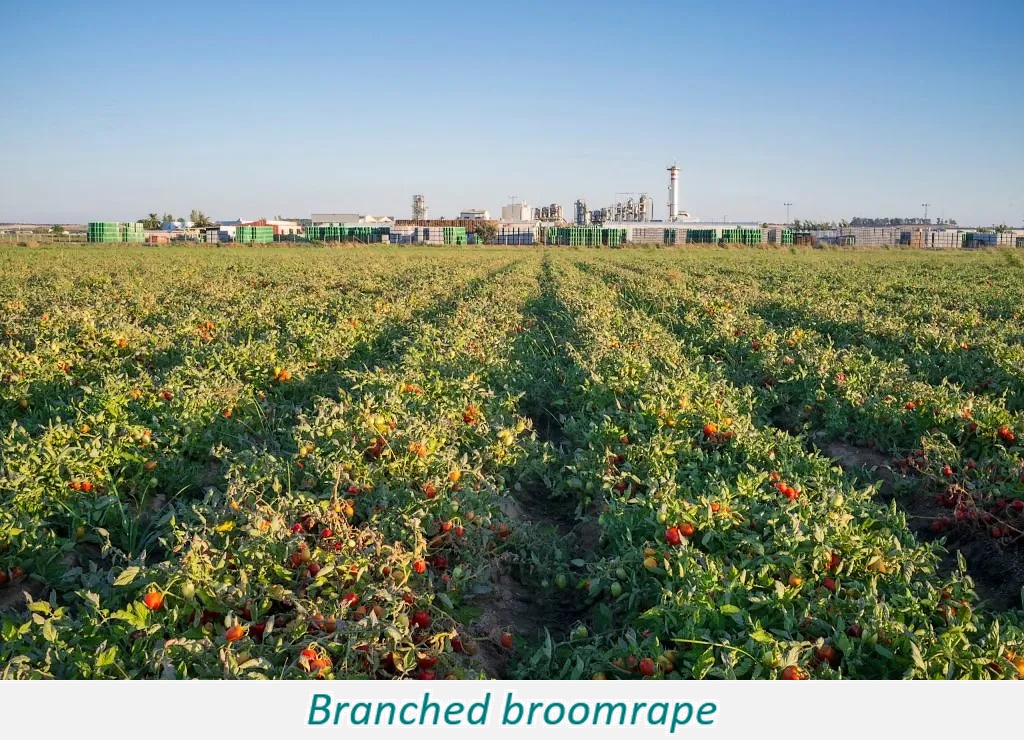 Instances of Orobanche ramosa, more commonly known as branched broomrape, in California have been increasing in recent years, creating significant concern for growers. The weed has been showing up more frequently since 2017 in processing tomato fields primarily in the Sacramento Valley. High levels in other Mediterranean regions around the world have resulted in yield losses between 50 and 80 percent. While branched broomrape levels have not reached that point in California yet, its reemergence does pose a substantial risk.
“The current threat is pretty severe in California because it’s a quarantine pest,” said Brad Hanson, Cooperative Extension Weed Science Specialist at UC Davis. “Even a very small infestation could result in basically 100 percent crop loss because the field is destroyed. So, it’s a huge regulatory issue right at this moment which is why it’s got so much attention in the California processing tomato industry.”
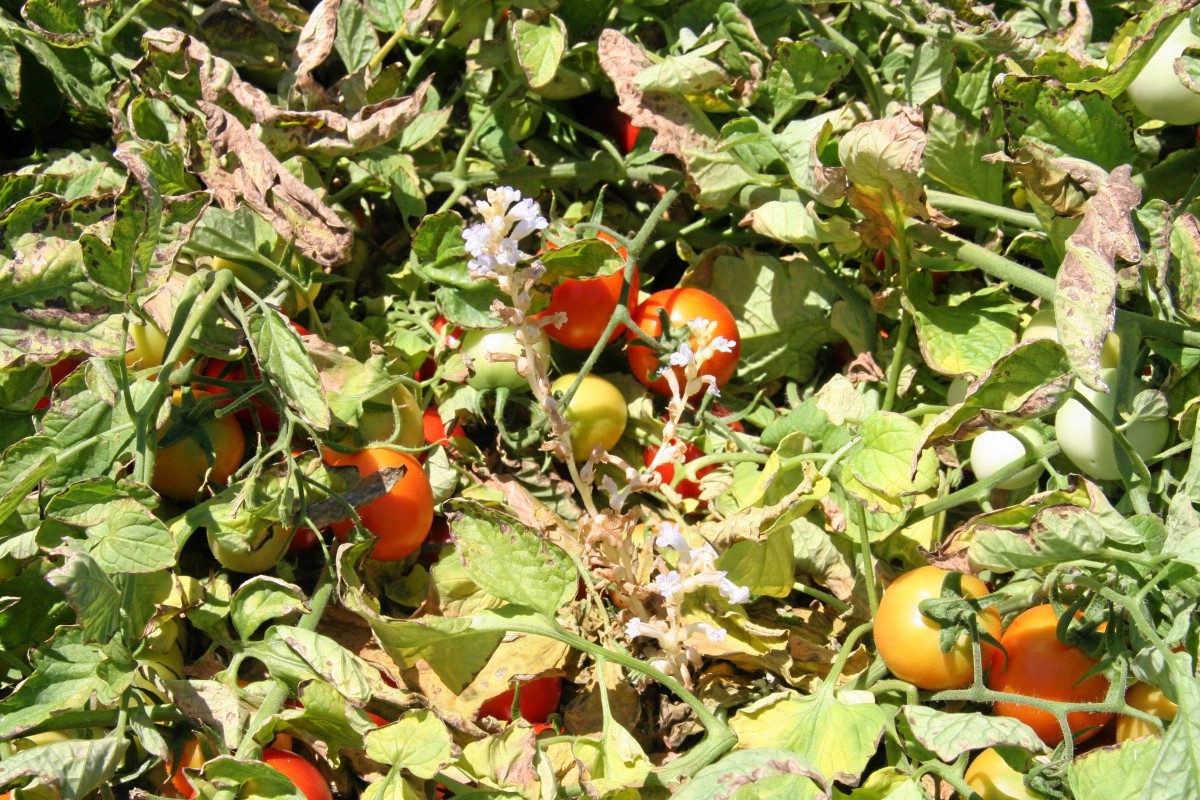
Mitigation efforts are in place to help minimize the destruction of crops in areas where the weed is found. Sanitation is a critical component of preventing the spread of the weed even further, along with diligent monitoring. However, scouting for branched broomrape can be challenging as the weed is difficult to visually detect. Much of the weed’s lifecycle occurs below ground, while it obtains nutrients from a host plant. “It has a short period where it’s visible above the soil and it’s pretty small-statured. So, it’s hard to detect it before it goes to seed,” Hanson noted.
Research efforts are continuing to look for ways to better detect and manage branched broomrape. Working with collaborators in Chile and Israel, researchers are looking at a variety of methods for combatting the noxious weed. Multiple projects are underway looking at the potential of different fumigation and herbicide treatments, as well as more effective scouting approaches.
“The detection work that our colleagues are doing, that’s all related to detection, quarantine, and management,” Hanson explained. “We are still doing some weed biology work in trying to make sure we understand how this plant grows under California conditions specifically.”
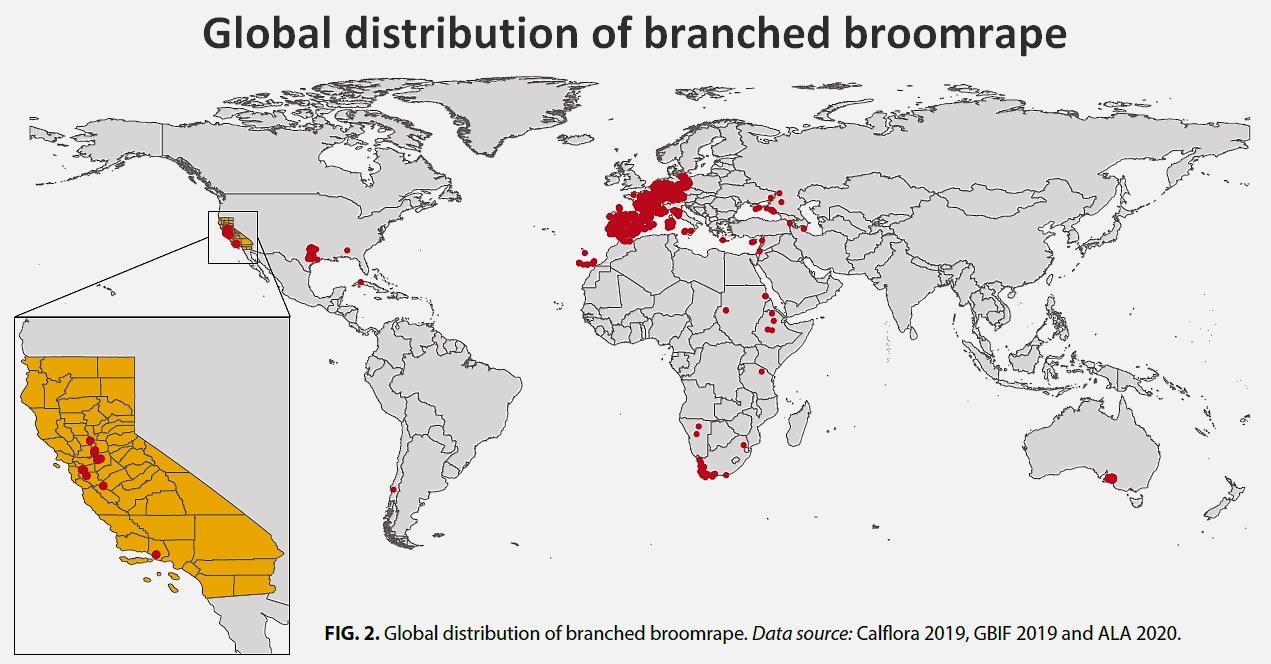
A review was published in 2021 by the University of California, Division of Agriculture and Natural Resources (UCANR), in which researchers discuss branched broomrape in the context of California production systems, particularly of tomato. They also discuss the potential management practices that could help to prevent or reduce the impacts of branched broomrape in tomatoes and other host crops.
This complete dossier “The potential threat of branched broomrape for California processing tomato: A review” is available in the attached documents or at:
http://calag.ucanr.edu/archive/?article=ca.2021a0012
This complete dossier “The potential threat of branched broomrape for California processing tomato: A review” is available in the attached documents or at:
http://calag.ucanr.edu/archive/?article=ca.2021a0012
Source: agnetwest.com