News
Although the surfaces dedicated to processing tomatoes have increased significantly this season, persistent rains and hail in February may have had an impact on yields and on the quality of the crop. The main local operators, who had considerably extended their processing programs to increase the share of domestic demand previously satisfied by imported products and to cope with the increase in consumption caused by the Covid pandemic, are wondering about the outcome of the season 2021.
According to official figures, some 650,000 metric tonnes (mT) of tomatoes are consumed each year in Argentina in the form of processed products, of which only 454,000 mT are produced and manufactured by the country's own industry. The remaining quantities are imported, but the strength of the US dollar has increased their cost in recent years, thus encouraging the development of coordinated strategies between industrial operators and local growers in order to satisfy demand with national products.
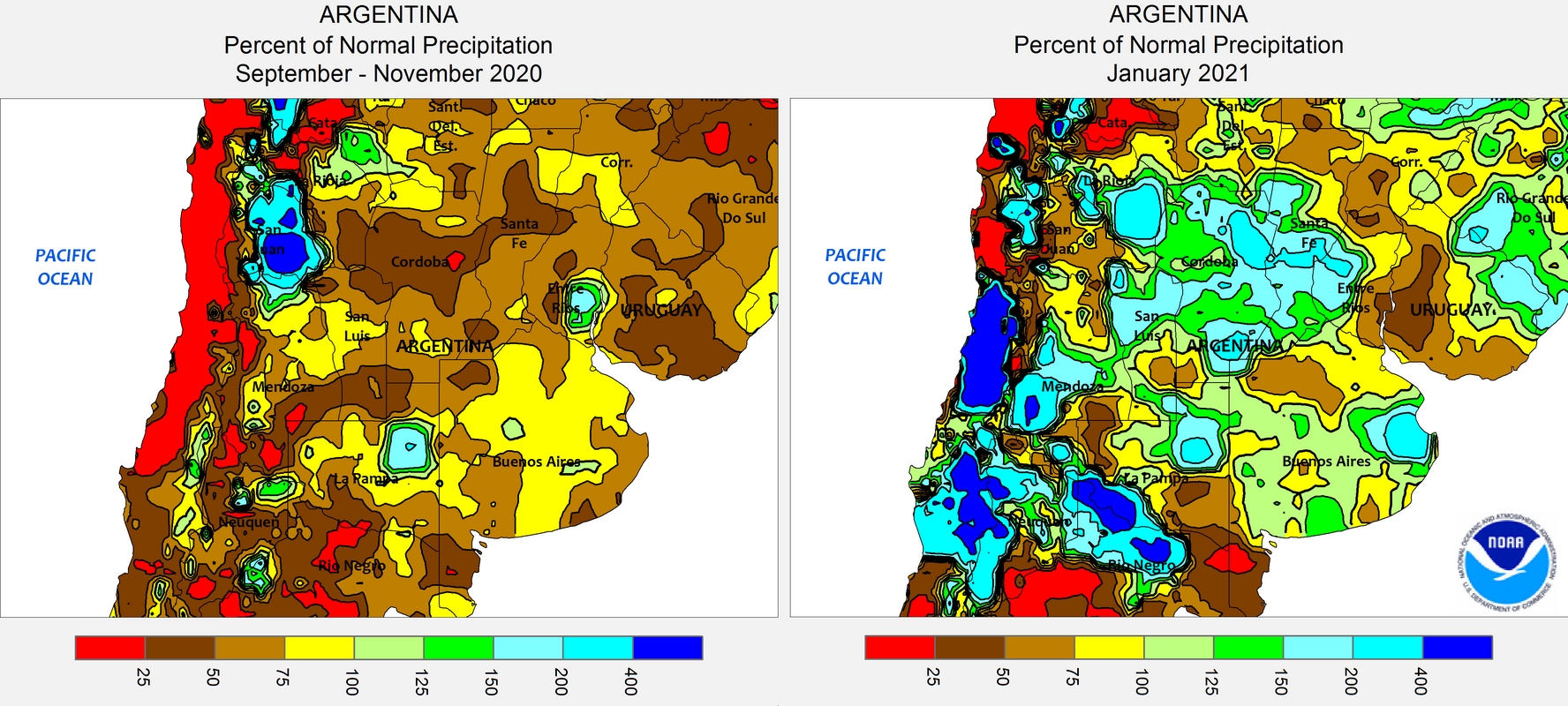
The bad weather that affected the region of Mendoza thwarted the production intentions of many growers, especially in the areas of Guaymallén, Maipú, Junín, San Martín, Rivadavia and Lavalle – where crops have faced serious problems due to excessive rainfall, explains José Pierantonelli, agricultural engineer and adviser to the Tomate 2000 association. Rains have been persistent, both by their accumulation and by the large quantities (50 to 70 mm) which sometimes fell in a very short time, compounded by a number of hailstorms. This has led to a deterioration in the sanitary condition of crops (bacterial infections, fungi such as Alternaria and Oidiopsis, various diseases), forcing growers to intensify the use of fungicides and plant health inputs in general.
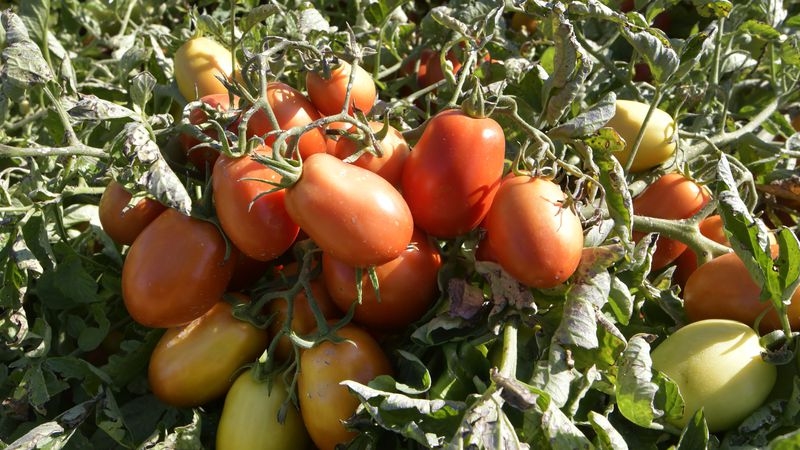 Fruit quality has also been affected as humidity has forced some growers to anticipate their harvest in order to reduce the risk of spoilage from overripe fruit. Growers generally wait until they have between 80% and 85% of mature red tomatoes before they start harvesting. By beginning the harvest earlier, they effectively increase the proportion of immature fruit collected by the harvesting machinery, which must then be rejected by processors and is therefore not counted in the payments.
Pierantonelli also mentioned the difficulties linked to organization and coordination between the North and the South of the country in terms of availability of the harvesting equipment and labor in order to support operations.
Ultimately, the INTA engineer estimated at the end of February that a drop in yields was inevitable given the deterioration in quality. The average agricultural yields of the areas monitored by the Tomate 2000 association could therefore drop from around 85 mT/ha in 2020 to an average of between 75 and 80 mT/ha. However, Pierantonelli pointed out that surfaces dedicated to processing tomatoes have increased this year by around 40% compared to last year and the yields obtained by growers who make use of technologies such as drip irrigation, mechanical transplanting and adequate fertilization plans, among others resources, are well above this average.
For Pablo Guevara, Tomate 2000 extension agent in the Uco valley, production costs are only covered if the crop produces a yield above approximately 65 mT/ha, which is a sensitive threshold for this season and for the coming years. The technician has underlined that it will be necessary to wait until the end of the harvest to assess the situation, but that everything indicates that growers will have difficulty in covering costs. The Uco valley, to the southeast of Mendoza, accounts for almost 60% of the tomato harvest of the Mendoza province, and within the context of the crops that come under the management of the association – from La Rioja down to the southern part of the province – this is the region that recorded the sharpest increase in 2020.
Cosme Argerich, agronomist at INTA (National Institute of Agricultural Technology) and technical adviser to Tomate 2000, confirmed that the province was seriously affected by the rains last month, which impacted fruit quality. For the moment, and to take into account the 40 days of harvest remaining before the end of the season, he preferred not to put forward any estimate regarding the final result: “There have been rains and some hailstorms in Mendoza and San Juan as usually happens in February. The forecast for this season was made with the averages of last year. San Juan, with 80% harvested, has recorded a higher yield than last year, and Mendoza has harvested 20% of its crop (as of 1 March 2021). In conclusion, due to rains and some hails in this region, the last forecast is 534.000 mT for Argentina.”
 Some additional data:
The 14th World Processing Tomato Congress and the 16th ISHS Symposium due to be held in 2020 in San Juan, Argentina, have been rescheduled for 6-10 March 2022.
http://www.14thworldtomatocongress.com/?lang=en
Source: losandes.com.ar