News
Research: Plants are speaking but nobody is listening
Research: “Plants are speaking but nobody is listening”
From the presentation “Breeding for changing conditions and new diseases”, given by Massimiliano Beretta – ISI Sementi, during the 14th World Processing Tomato Congress (March 2022, held online from San Juan, Argentina).
From the presentation “Breeding for changing conditions and new diseases”, given by Massimiliano Beretta – ISI Sementi, during the 14th World Processing Tomato Congress (March 2022, held online from San Juan, Argentina).
 “Thank you for the opportunity to present here today. I have been invited to talk about breeding because I am a tomato breeder at Isi Sementi, an Italian seed company.
To be a breeder today is a very interesting challenge because, as said by previous speaker Carlos Parera (“Agricultural innovation: a challenge for all”, INTA), the situation is changing from a social point of view, from a geopolitical point of view, from an environmental point of view…
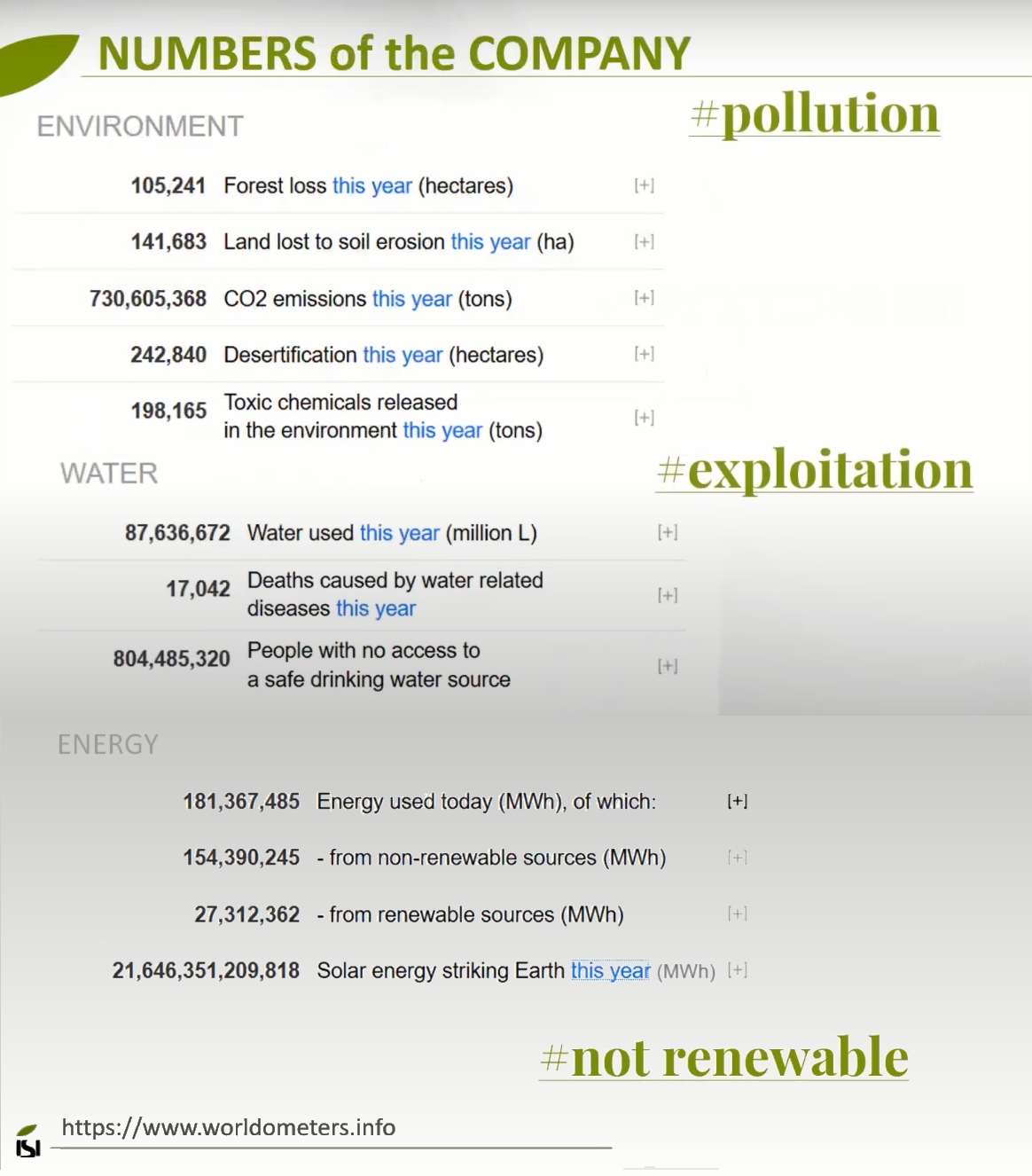
Now I will look at some numbers about people who live on this planet I used to call the Earth Company, to see if it is doing well or not. The first observation is that there is an overpopulation, because the population is increasing every year all over the world, and all these people must live somehow and eat food every day to survive.

And then we have to face the issues of pollution, of the reduction of forests, the increase of CO2 emissions, desertification. There is also the fact that most of the soil surfaces are overexploited. There is a deficit of water – today in Italy, it has been a hundred days since it rained. So there are many problems that we have to face from an environmental point of view and, more importantly, there is an unbalance of the distribution of food in the world. Last but not least, just in these days, we are seeing the prices of energy increase – most of the energy is produced in the old style, not using renewable sources.
This is the situation of the Earth Company, where we are going to grow crops every day and where we have to face the future.
This is the situation of the Earth Company, where we are going to grow crops every day and where we have to face the future.
How can we cultivate tomatoes for processing in this context?
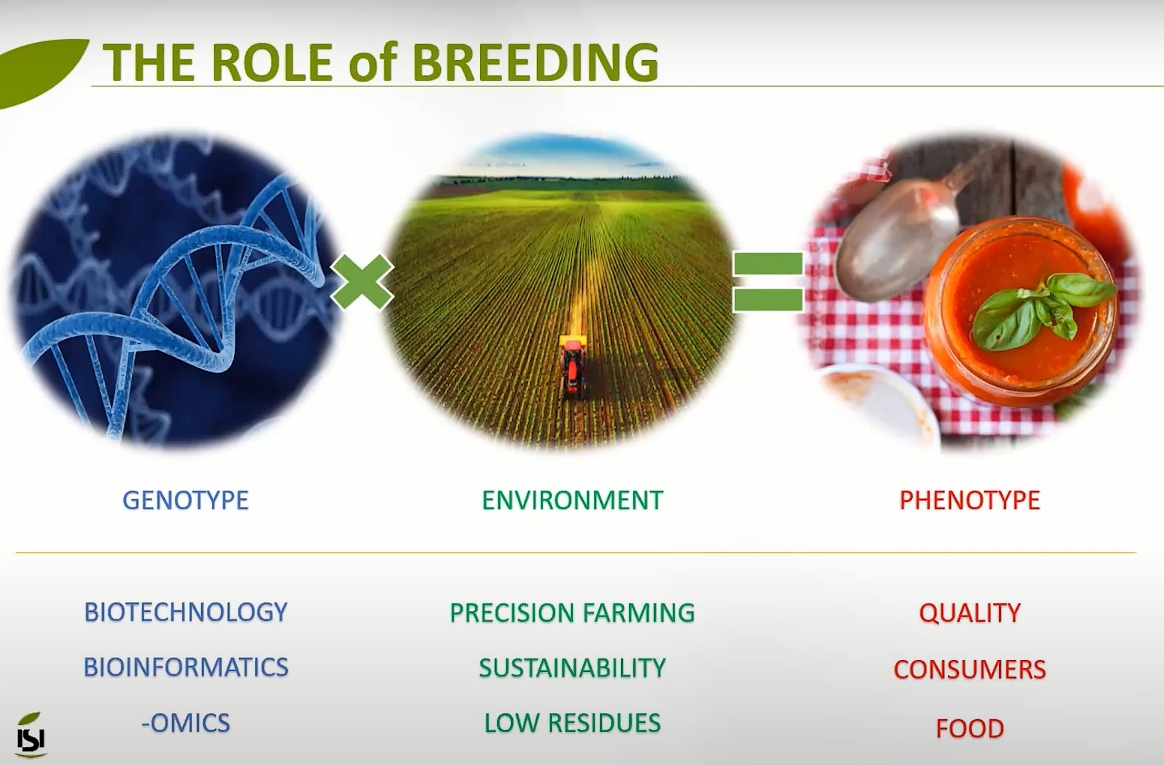
I think the role played by seed-breeding is a vital one. Every breeder knows that there is a kind of special rule in science: it says that the phenotype is made up of the interaction of genotype with the environment. How can we apply this concept to the entire supply chain of processing tomatoes? Phenotype can be considered as being constituted of quality, consumers, the final food – the final product that is every day on our tables. The environment is the farm and farming processes, all the tools that are used by growers to create the product, including the most innovative tools like precision farming, low residue principles, sustainability and organic farming. From the point of view of genotype, we have biotechnology, bioinformatics, -omic technologies (*), and the interactions between genotypes and the environment, to create the food, the product, the phenotype.
I think the role played by seed-breeding is a vital one. Every breeder knows that there is a kind of special rule in science: it says that the phenotype is made up of the interaction of genotype with the environment. How can we apply this concept to the entire supply chain of processing tomatoes? Phenotype can be considered as being constituted of quality, consumers, the final food – the final product that is every day on our tables. The environment is the farm and farming processes, all the tools that are used by growers to create the product, including the most innovative tools like precision farming, low residue principles, sustainability and organic farming. From the point of view of genotype, we have biotechnology, bioinformatics, -omic technologies (*), and the interactions between genotypes and the environment, to create the food, the product, the phenotype.
Focusing on these two factors, we can see that in terms of the environment, we have only 50% control of the situation. This is because on one side there are instruments, tools, machines that support the farmers when taking decision, like the use of drones, the use of pest control technology in farming. But there is something we cannot control – hailstorms, desertification, reduction of water, and other environmental factors that can destroy our crops.
On the other hand there is also genetics, but in this case the situation is better because we have 90% control of genetics. This is primarily due to biotechnology, with the use of molecular markers, on NBTs (“New Breeding Techniques”, Editor’s Note), DNA analysis. This is all the tools – genomics, genetics, bioinformatics – that support breeding and that are able to let us know what is written in the project of the plants, before transplanting, in each single seed. Furthermore, classical breeding is still alive because classical selection, phenotyping, going into the fields, taking measurements, cross-pollination by hand – all of these support breeding. That is the reason why I would say that 90% control of genetics is a realistic given, nowadays.
How can we apply all this to breeding, to the production of the hybrids of the future? Breeding does not start on the farm, or in the field, but with supply, because the final goal of breeding is to create hybrids, to create new varieties that satisfy all the requirements of each player of the supply chain: nurseries, farmers, processors, retail distribution and, last but not least, consumers. When we create a product, it must be good from the point of view of taste for the consumer. The consumer nowadays is not the consumer of 50 years ago; today, consumers have special requirements regarding what they want to eat.
Starting from the nursery, the goal is “one seed, one plant”. Nowadays, most lots must have 99% determination. But how can we achieve this requirement?
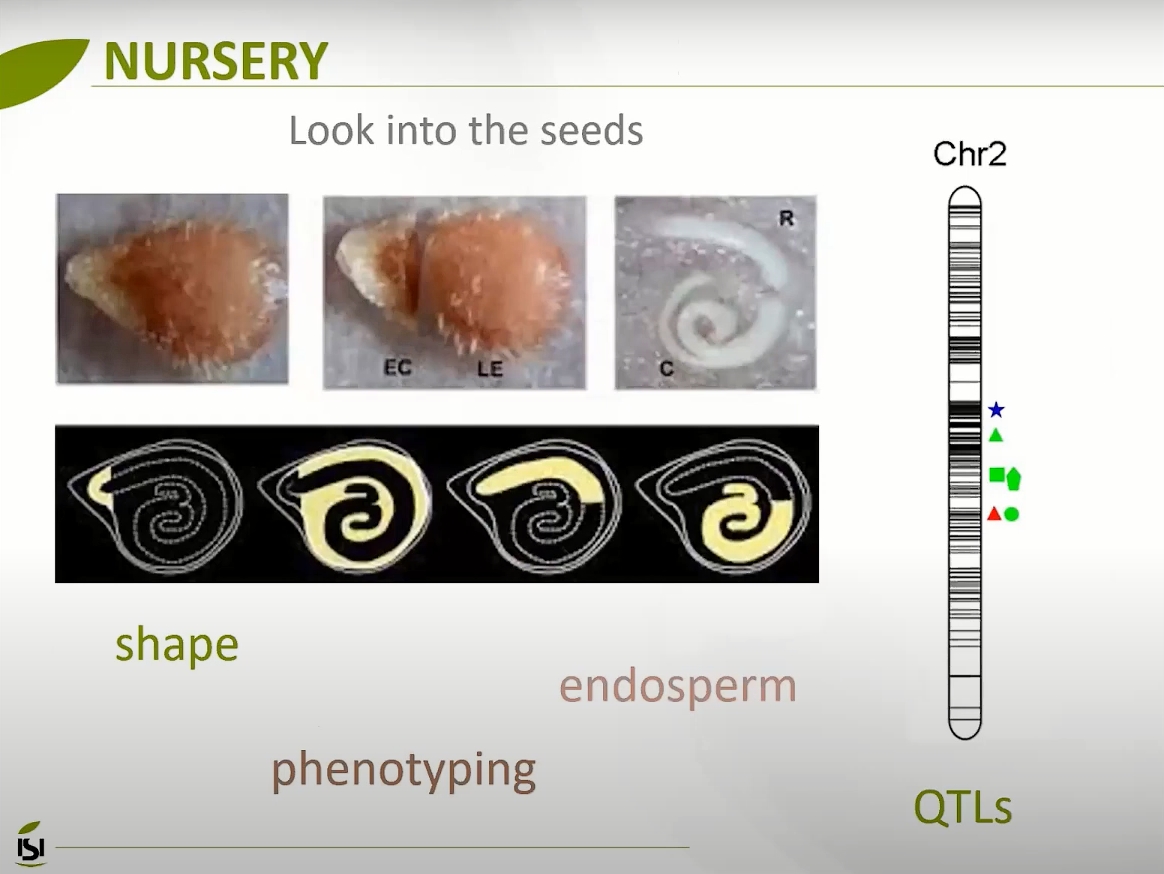
Seed is the most important form of life because it is a kind of storage of the entire plant. Today, thanks to genetics, it is possible to understand which are the QTL (Quantitative Traits Loci, the genes), that are able to drive the seed to germinate or not, and how they germinate – in five days, or ten days…
How much is the endosperm into the seed? What is the figure? What is the shape? Everything from the point of view of the seed can be forecast nowadays.
And then, going onto the supply chain, we spend most of the time thinking about yield. Sustainability is yield. Is that still true of processing tomatoes? We can try to answer this question.
Data says we have to use two kilograms of fresh processing tomato to make one kilogram of sauce. (Editor's note: the following information and comments, very different from the data collected by the official associations representing the global sector, are published under the sole responsibility of their author.) But every year, people eat 28 kilograms of sauce. This means that 196 billion kilograms of processed tomato per year are required around the world. We can say 196 million metric tonnes (mT) of tomato are required per year. The data indicates that 392 million tonnes of tomato are required. If the average production of tomato is 80 metric tonnes/hectare, 5 million hectares are required to satisfy the entire production. The question is “Is the yield so important?” “Are we overproducing?” “Is there an unfair distribution of product?”
The data indicates that, of the global production of fresh tomato, 160 million mT are used for tomato processing, meaning that only half of the production is satisfied. So why has the price of tomato decreased over the last ten years? Only in the last three years has the price increased, because of Covid, because of the war, because of the geopolitical situation, but generally, we have seen a decrease in price, a decrease in the consumption of tomato products. Why is there this downtrend?
Data says we have to use two kilograms of fresh processing tomato to make one kilogram of sauce. (Editor's note: the following information and comments, very different from the data collected by the official associations representing the global sector, are published under the sole responsibility of their author.) But every year, people eat 28 kilograms of sauce. This means that 196 billion kilograms of processed tomato per year are required around the world. We can say 196 million metric tonnes (mT) of tomato are required per year. The data indicates that 392 million tonnes of tomato are required. If the average production of tomato is 80 metric tonnes/hectare, 5 million hectares are required to satisfy the entire production. The question is “Is the yield so important?” “Are we overproducing?” “Is there an unfair distribution of product?”
The data indicates that, of the global production of fresh tomato, 160 million mT are used for tomato processing, meaning that only half of the production is satisfied. So why has the price of tomato decreased over the last ten years? Only in the last three years has the price increased, because of Covid, because of the war, because of the geopolitical situation, but generally, we have seen a decrease in price, a decrease in the consumption of tomato products. Why is there this downtrend?
We have to focus our attention on the new traits of the future, like nutraceutics, flavor, organic crops, color, made in Italy, ready-to-eat, environmental issues – new traits that are able to increase the value of the product.
How can we manage it from the breeding point of view?
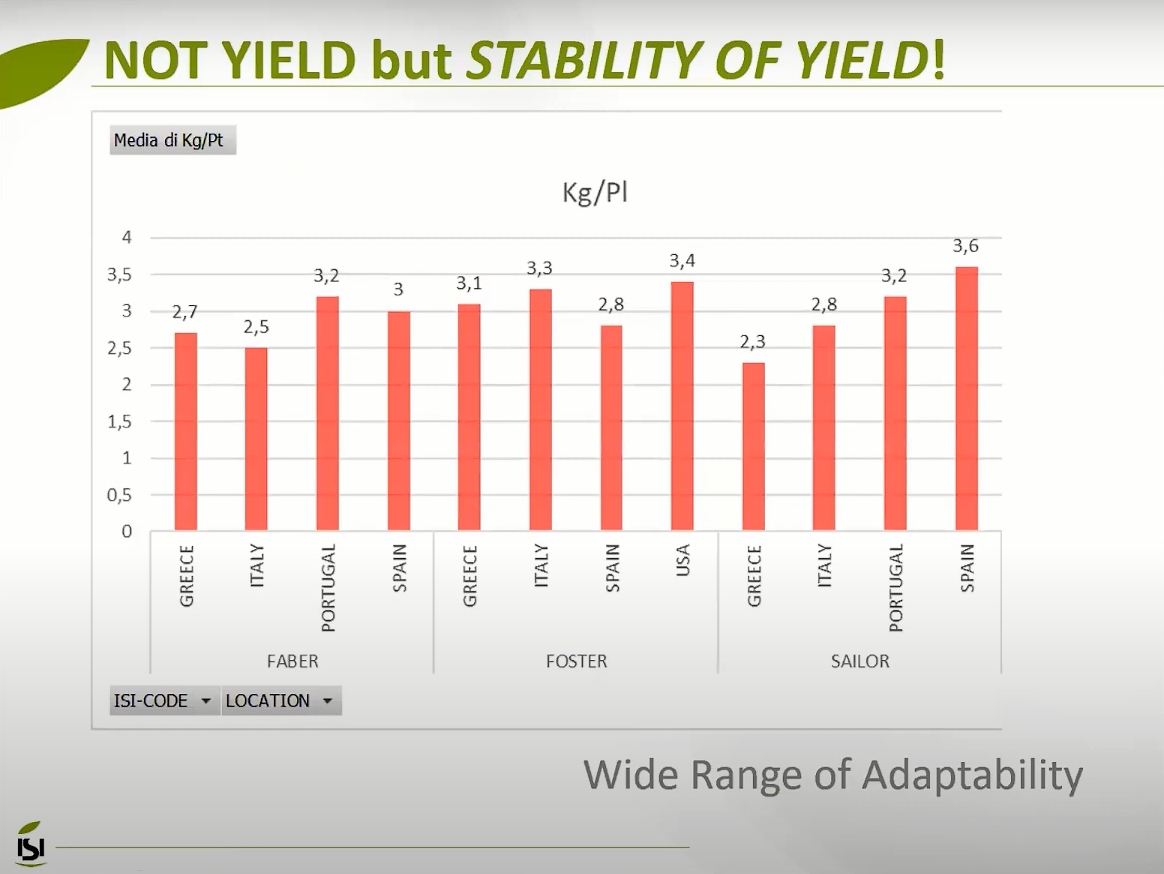
As I told you at the beginning, nowadays genetics is able to give us a 90% control of the hybrids. But today, genetics is not enough. Maybe we have to shift our attention to the phenotype to try to find a way to switch from high throughput genotyping to high throughput phenotyping. It means collecting data about our varieties, about our hybrids. How can we manage the collection of data? Thanks to BigData, collecting data all around the world about our hybrids is important because today, to talk about yields is not enough, we have to talk about the stability of yields, how our hybrids perform all over the world. We talk about the wide range of adaptability, the possibility to cultivate the same hybrid in different conditions and guarantee the farmers that this hybrid can produce a minimum amount of tomato.
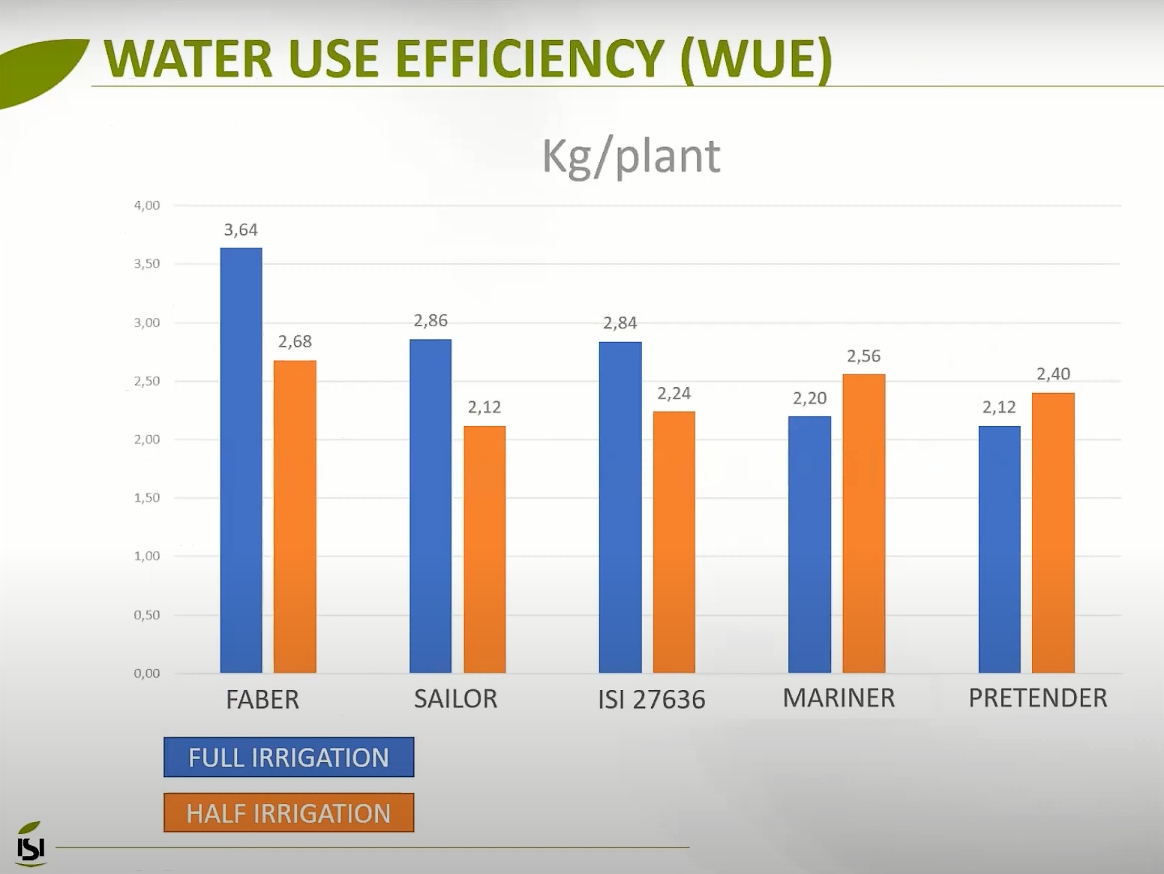
We have also started to explore water-use efficiency: are we sure that all hybrids require, or need, the same amount of water to grow and produce tomato? We found that there are varieties that produce more fruit when the quantity of water is halved, in comparison with normal irrigation. So genetics play a key role in this panorama. Also nitrogen-use efficiency – in this case we are also exploring the efficiency on the plant of the uptake of nitrogen. For instance, in most places in Italy, 200 units of nitrogen is the average input in the soil – but are we sure that is enough? Are we sure it is not too much – how much of this nitrogen is used by the plants? Are there genes, are there proteins that control the uptake of nitrogen? Yes, and we can select specifically to create varieties for the future that are able to use the nitrogen in an efficient way. [During the 16th ISHS Symposium held the week after the 14th World Processing Tomato Congress], my colleague Dr. Giulia Ferrari presented a similar study on salt-stress tolerance. In this case also, there are genetic determinants that are able to make the plant tolerant of salty conditions in some places in the south of Italy. Close to the Apulia area, there are water resources that can rise to 5,000 microSiemens of conductivity. This means that growers are cultivating with full salty water. Some varieties are able to grow there, so it means that genetics can also drive these traits and allow us to create varieties that are adapted to very stressful environments.
Then, switching from agriculture to the industry, one of the most important traits is holding ability. For instance, in Italy, on 20 August, tomatoes in the fields are ready to be harvested. Just imagine that it starts raining that day, and it rains for three days. It is impossible to enter the fields with the harvesting machine, so the grower has to wait. Normally, it happens that tomatoes start to rot, but currently, thanks to genetics and to the selection of the only allele that teaches the tomato how to stop rotting, we are able to wait for the best environmental conditions for the harvest.
Then, when the tomatoes are in the factories, normally there are some analyses that are made, but simulating these analyses at the breeding stage allows us to select in the early stage the best variety for the best final product. Traits like Brix for passata or sauces, Brix for juice, Bostwick values, pectins, Brix/Bostwick ratio, fiber content, nickel content, all these traits can give us an idea of the final product made with each specific variety.
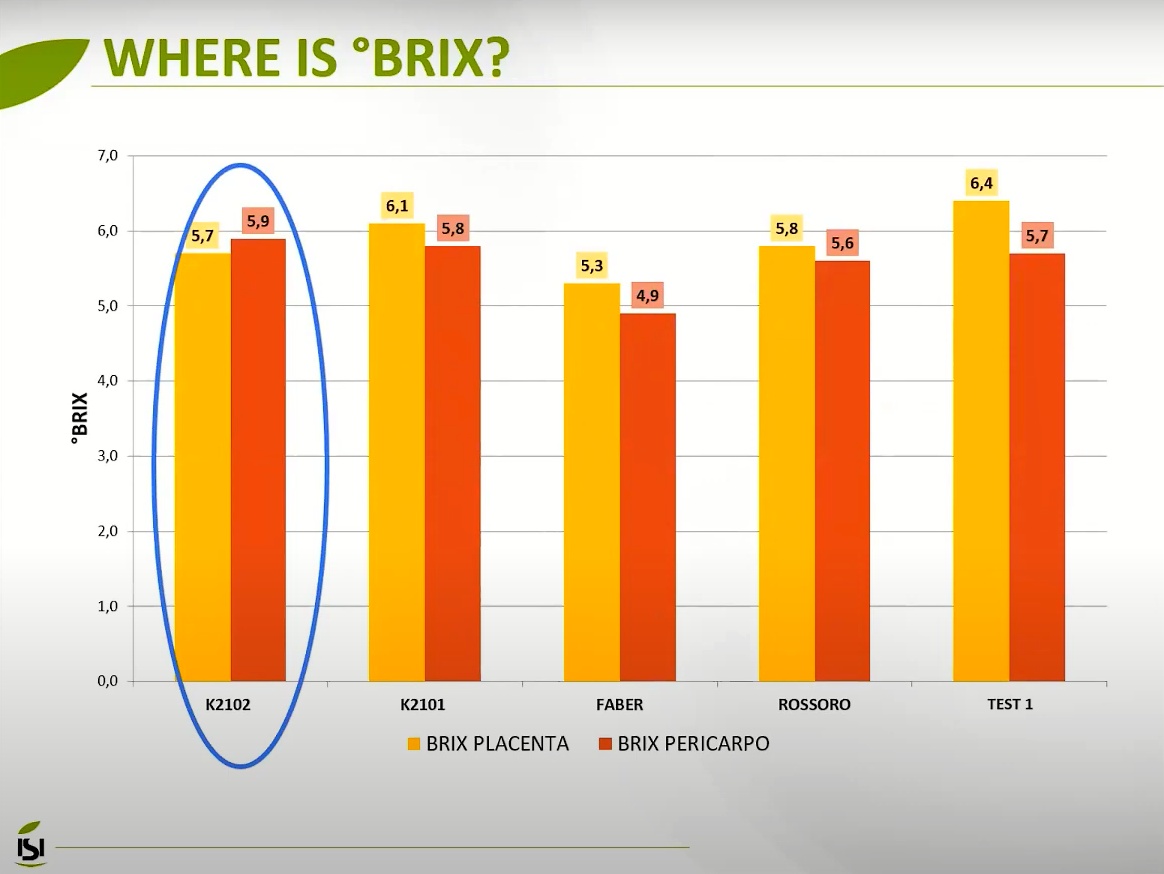
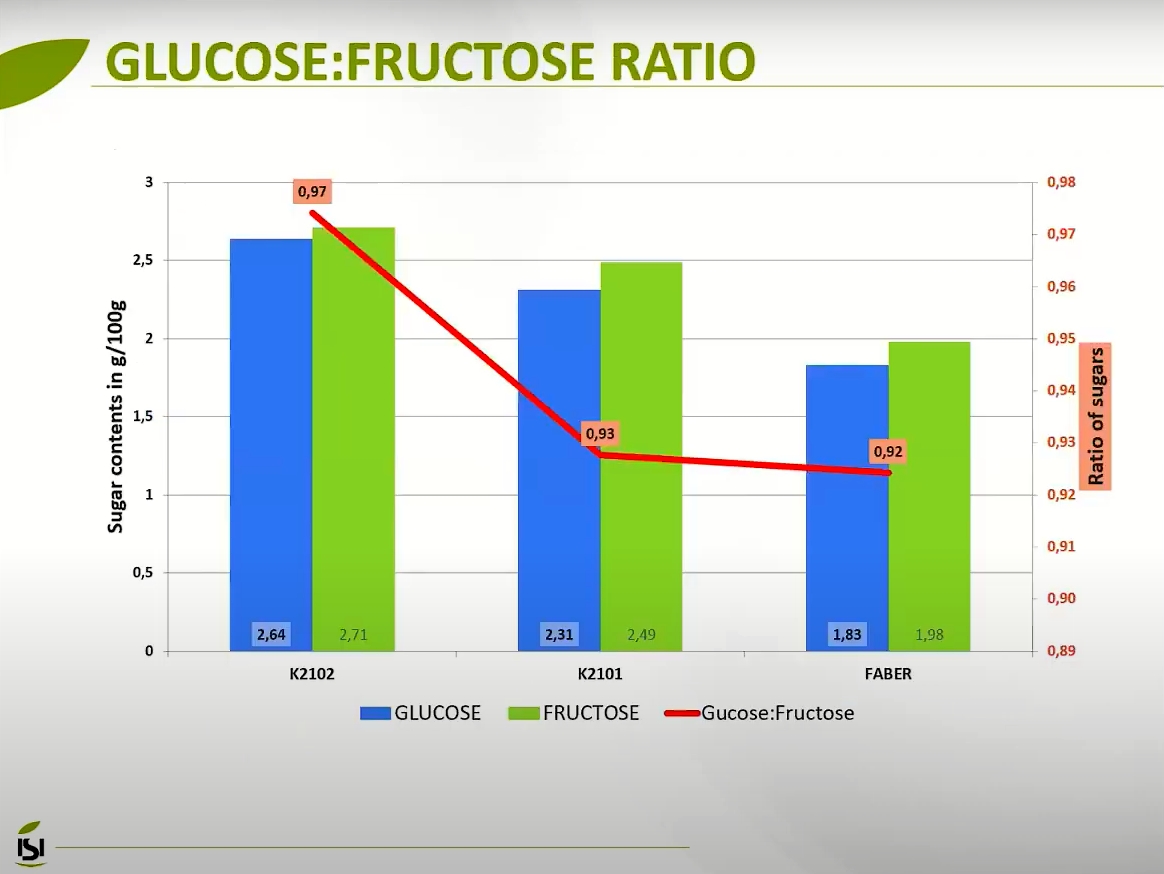
Talking about the Brix, I believe nobody thinks about where that Brix is stored. Because we normally cut a tomato, smash it and then put a little bit of juice on the refractometer and measure. But are we sure that is the Brix we want? I mean – are we making diced tomato with that tomato? Are we making sauce? Are we making tomato paste? Is that Brix or that sugar stored in the placenta or in the pericarp? Because there are varieties that store the Brix in different places in the fruit and I think now is the moment to check where that sugar is stored. Furthermore, what sugar is present in the fruit? Is it glucose? Is it fructose? What is the glucose/fructose ratio? Because we know that this ratio is correlated with the perception of taste and with the pleasantness of taste for the consumer.
Thanks to such data, we have started also to make a kind of aromagram containing all the parameters that are interesting for the perception of tomato paste and tomato sauce. There are varieties that perform better and, in comparison with the panel test, we are able to understand which of those parameters are currently the most important to be selected at the breeding stage to make the best tomato sauce in the final stage after processing.
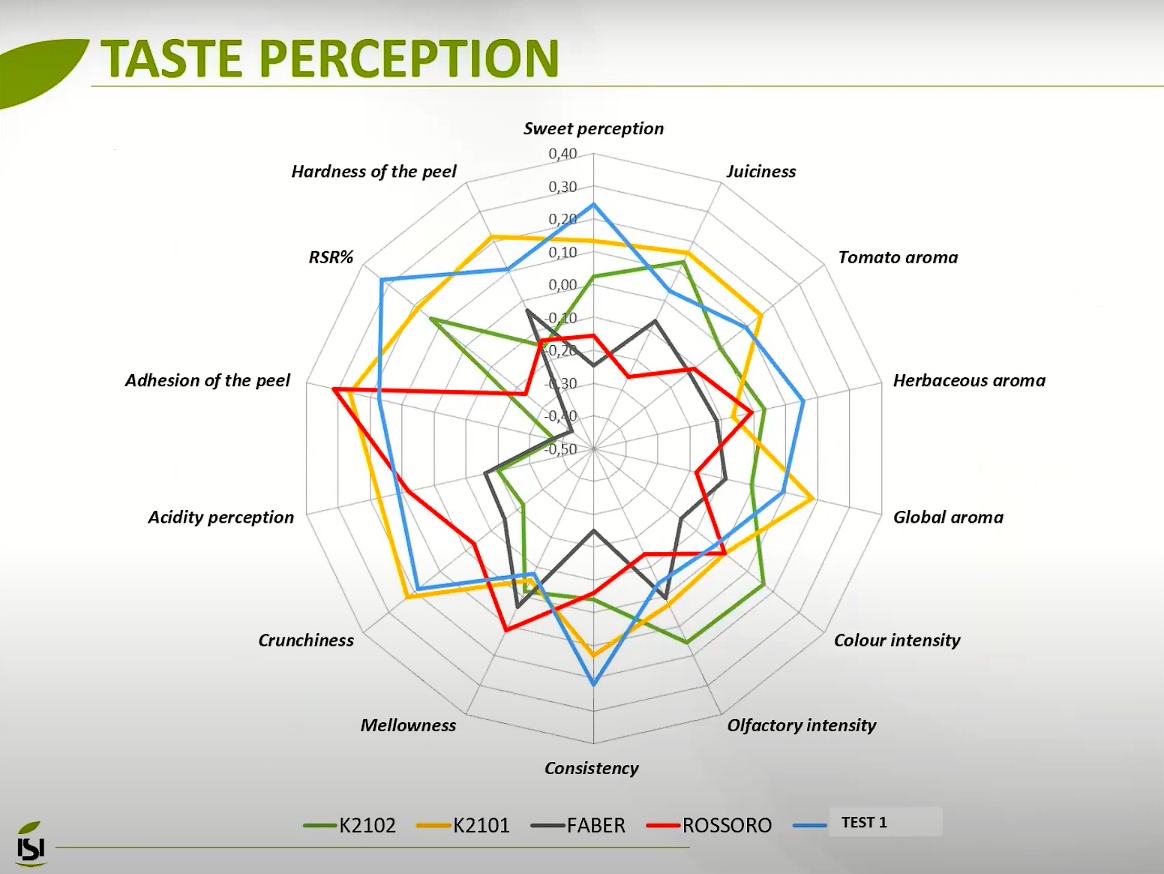
This means that the plants are speaking but nobody is listening. Or it is very difficult to understand what they are saying. Because classical breeding and genetics are not enough. I am a geneticist, but I will say that we need new phenotyping tools: near infrared, chlorophyll meters, electronic probes of every type… There is an important study of the University of Parma by scientists who developed a sensor that can be applied on the plants and tells us every day and every moment how the plant is feeling – if it needs nitrogen, if it needs water, how much that plant is efficient. We need to understand the language of the plant and collect big data to increase the quality and the quantity of the hybrids.
So precision farming is still an important tool with all the instruments that are available, but obviously, genetic resistance is also important, although not enough anymore. We know that something new is arising. Ralstonia has appeared also in our latitudes in Italy during the past five or six years. Now somebody is going to tell us that Fusarium3 is present also in Portugal, in Iberia, and it is arriving in California. The Pseudomonas race1 is coming, Tomato Brown Rugose Fruit Virus – I suppose you know it very well… But all these resistance challenges can be managed by classical breeding, but also with the use of NBTs. The challenges of resistances are easier in comparison with the challenges of abiotic stress, and breeding today must be focused on abiotic stress in order to create the variety of the future.
In this case, we think that genomics, NBTs, with the help of phenotyping data, can create the variety that can be cultivated in 2040. Remember that the breeding of a single variety of processing tomato can take something like five to six or seven years. This means that today, we have to think about the variety we will cultivate in 2030; but it also means that the varieties we cultivate today were conceived ten years ago.
So we can build today a better tomorrow; if we want to create the varieties of the future, we have to think today of the project and characteristics that must be present in the DNA of that plant".
Some complementary data
Video is available at:
https://www.youtube.com/watch?app=desktop&v=E5r8pxAef0k
(*): The branches of science known informally as –omics are various disciplines in biology whose names end in the suffix -omics, such as genomics, proteomics, metabolomics, metagenomics, phenomics and transcriptomics. Omics aims at the collective characterization and quantification of pools of biological molecules that translate into the structure, function, and dynamics of an organism or organisms.
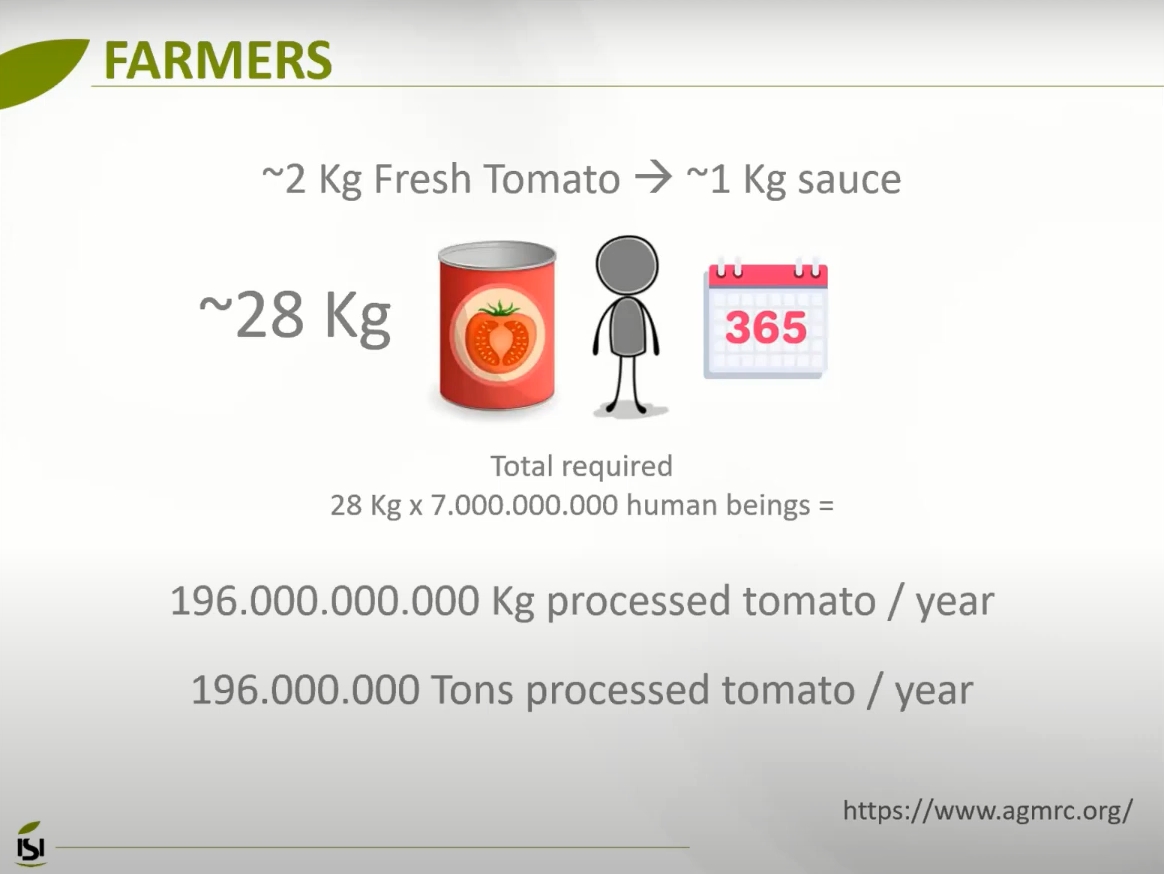
This information and comments, in contradiction with the data collected by the official representative associations of the worldwide tomato sector, are published under the sole responsibility of their author. According to the official figures collected by World Processing Tomato Council, the annual quantities of processing tomatoes produced worldwide are currently around 39 million metric tonnes (see “WPTC crop update as of July 1, 2022”)
Sources: World Processing Tomato Congress (whova.com)