News
Reduced production in New Zealand
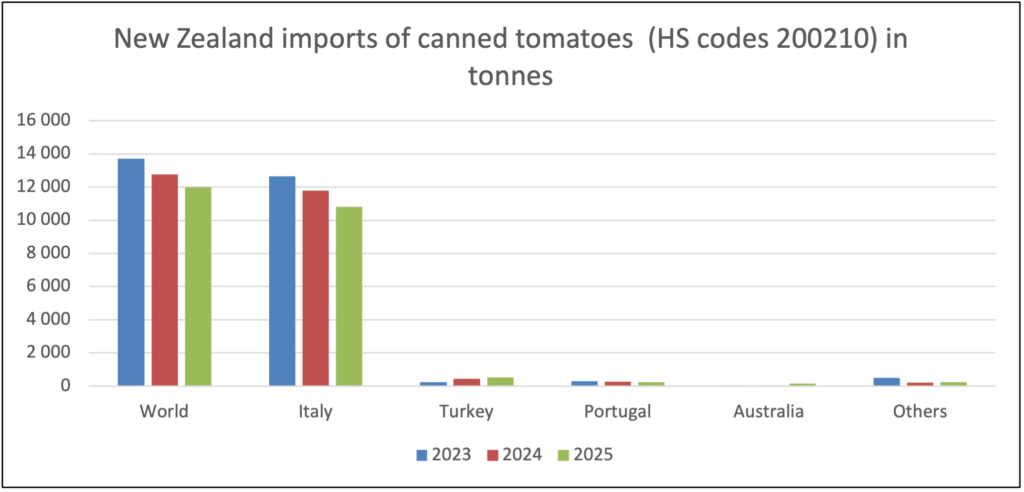
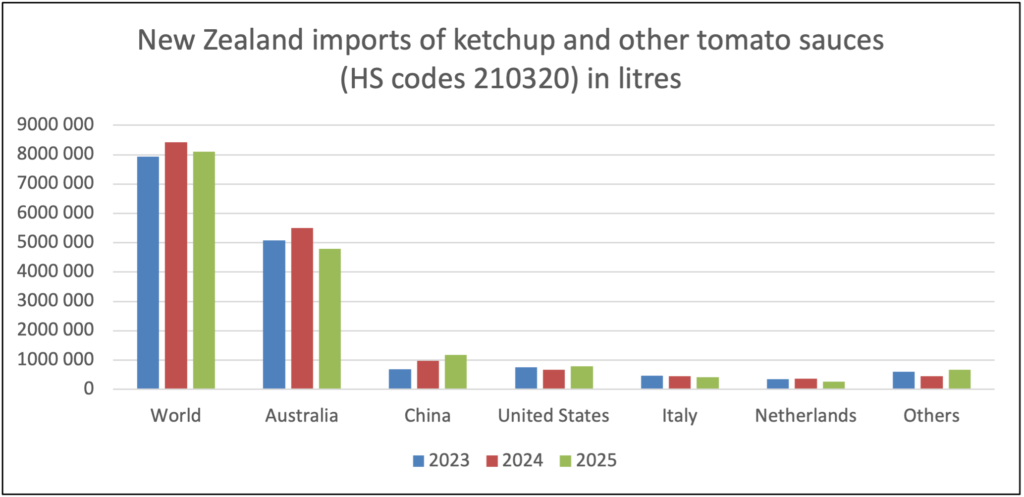
Although the recent announcement that Heinz Wattie’s would be closing three manufacturing facilities in New Zealand does not directly affect its first stage tomato processing in Hasting, the volumes processed in the country continue to shrink due to increase pressure from imports.
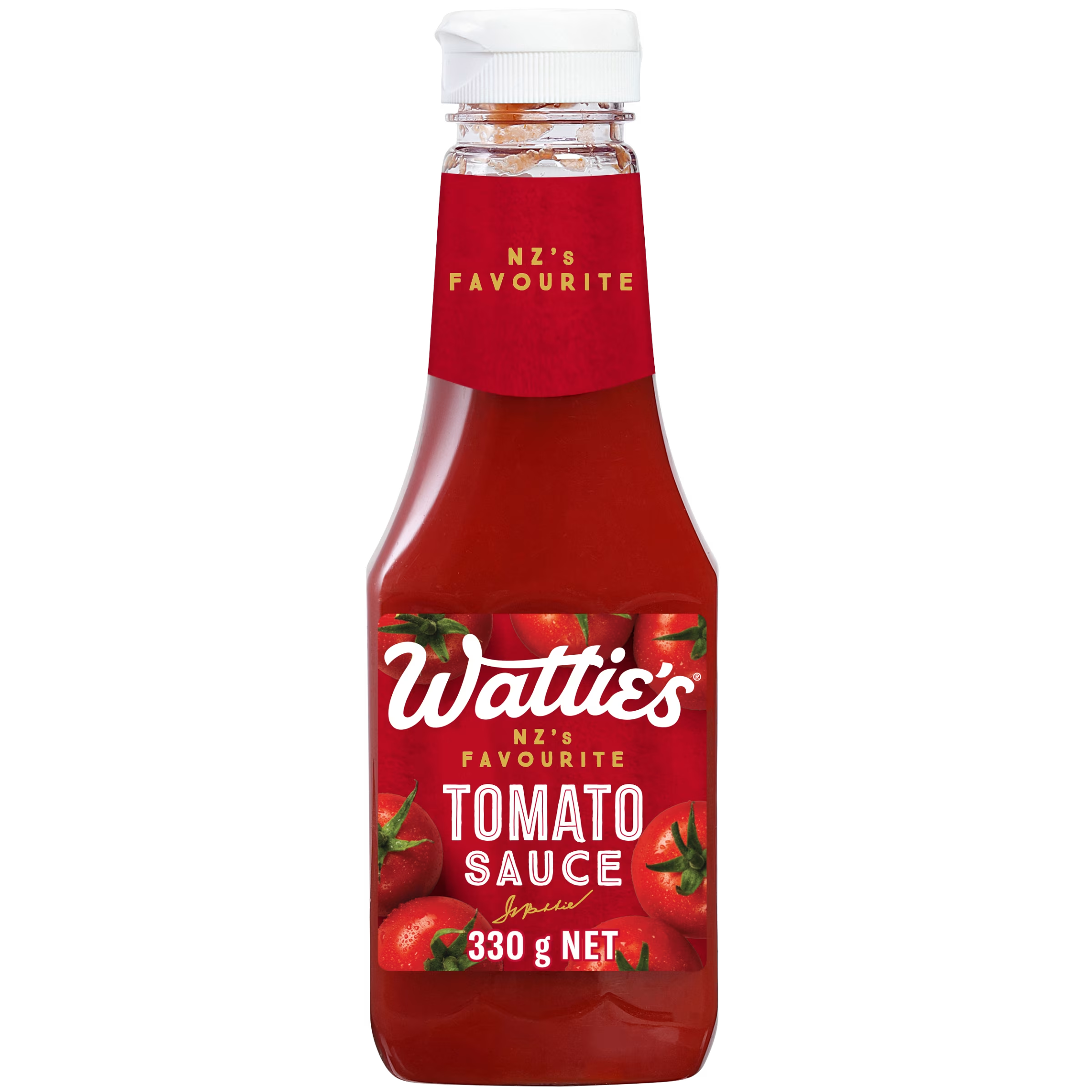
In a major strategic shift announced on 11 March 2026, Heinz Wattie’s proposed the closure of three manufacturing facilities across New Zealand, in Auckland, Christchurch and Dunedin. This restructuring mirrors the Kraft Heinz new focus on “taste elevation”, condiments, sauces, and “taste enhancers” (e.g., Heinz Ketchup, Wattie’s Sauces) with Heinz Wattie’s shedding “weighty” categories like frozen vegetables, Gregg’s coffee, and dips sold mainly under the Mediterranean, Just Hummus and Good Taste Company brands.
While the company is phasing out these categories, it is doubling down on its Hastings operations, which remain the heart of its tomato processing and sauce production, in the largest canning facility in the Southern Hemisphere. By stopping the packing of frozen lines, the company is freeing up floor space and capital to reinvest in sauce and condiment technology.
Historically, New Zealand processed a total volume of 50,000 to 80,000 tonnes of tomatoes per year split between Heinz Wattie’s and Cedenco Foods. In 2024, however, Cedenco stopped processing tomatoes to focus toward higher-value products like sweet corn powder, squash, and apples. This decision marked the end of an era for the industry in the Gisborne region, where tomatoes for processing were once a staple crop, leaving Heinz Wattie’s the only operator in the sector. The move followed several years of declining yields, rising production costs, and catastrophic weather events—most notably Cyclone Gabrielle in 2023, which destroyed a significant portion of the crop and damaged processing infrastructure.
In the last few years, Heinz Wattie’s has processed about 40,000 tonnes of tomatoes per year into paste and canned tomatoes, but in 2026, it will process only about 15,000 tonnes, concentrating on canned tomatoes. This reduction is due to large inventory of paste, and increased import pressure.
While surveys have shown that New Zealanders show a strong preference for “NZ Grown” (roughly 70%), the rising cost of living has lead many to choose imported products, often 30 to 40% cheaper. Wattie’s “Global Taste Elevation” strategy is an attempt to prove that the “Hastings flavor” is a premium experience worth the extra dollar.
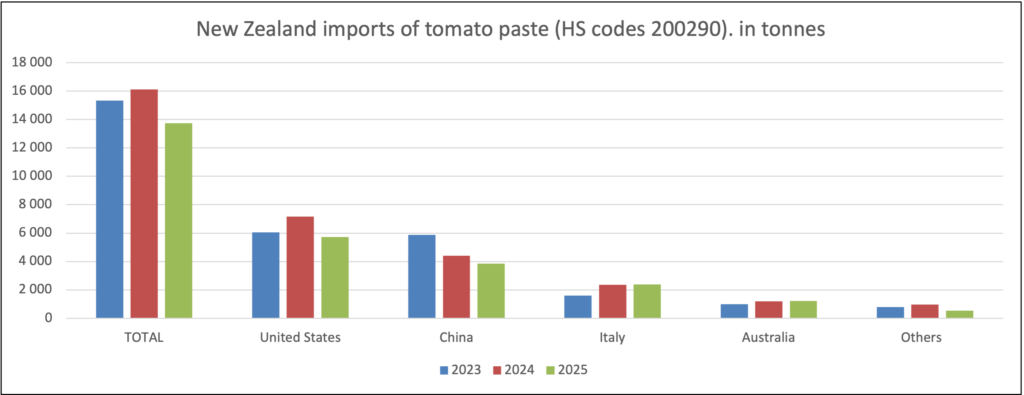
Meanwhile, Heinz Wattie’s has been in a legal tug-of-war with the NZ Ministry of Business, Innovation and Employment over cheap imports and in late 2025, the company filed for investigations into the “dumping” of preserved fruit and vegetables from China and South Africa. The company argues that it cannot compete with imported tomatoes and peaches that are sold below the cost of production, leading them to reduce their local crop intake from Hawke’s Bay growers in the 2025/2026 season.
Sources: KraftHeinz, Gisborne Herald, TDM