News
EU Industry Calls for Action on Aseptic Packaging
138 CEOs Warn on PPWR Risks: Tomato Processing Industry Calls for Urgent Action on Aseptic Packaging
A coalition of 138 CEOs from across Europe’s food and beverage value chain—including leading tomato processors—has issued a strong call to EU policymakers to address critical shortcomings in the implementation of the Packaging and Packaging Waste Regulation (PPWR). Addressed to Commission President Ursula von der Leyen, Parliament President Roberta Metsola and European Council President António Costa, the letter highlights mounting concern that, without urgent clarification and adjustments, the regulation risks failing in its objectives while undermining industrial competitiveness.
The signatories—among them major food and beverage players such as The Coca-Cola Company, Heineken and Kraft Heinz—stress that they remain fully committed to the EU’s circular economy ambitions. However, they warn that the fast-approaching application date of 12 August 2026 comes amid persistent legal uncertainty, missing technical guidance, and unresolved methodological questions. These gaps, they argue, create serious risks for compliance, investment planning, and the proper functioning of the Single Market, as diverging national interpretations could fragment what the regulation aims to harmonise.
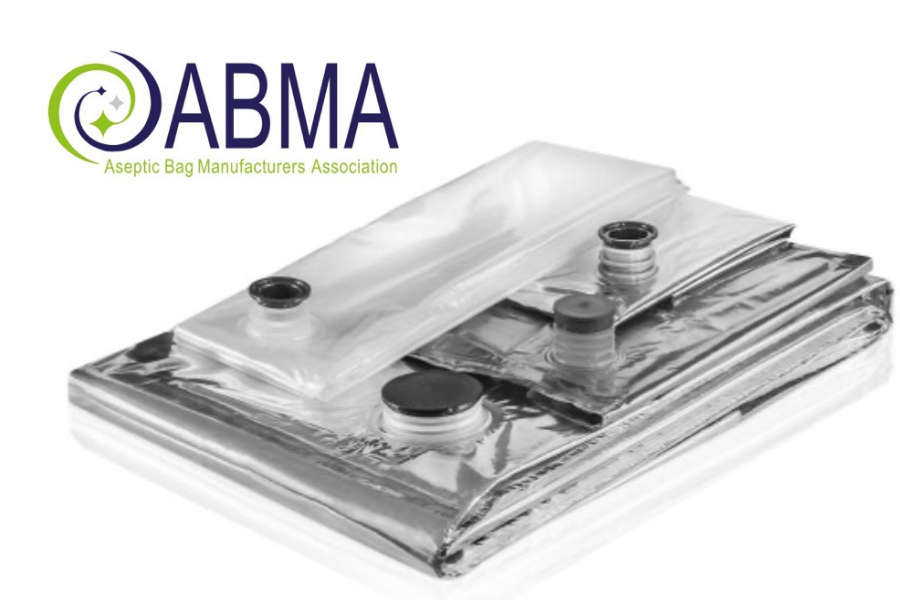
For the tomato processing industry, one issue stands out as particularly critical: the future of aseptic packaging under Article 6(11) of the PPWR. Aseptic bags are indispensable to the sector, enabling the safe storage and transport of processed tomato products over long periods while preserving quality and preventing contamination. The current technology relies on multilayer materials—such as polyamide, PET and aluminium—that ensure high barrier protection. Yet, under the regulation’s recyclability criteria, these materials do not qualify, which could effectively lead to a market ban by 2030.
The consequences of such a ban would be far-reaching. Without viable, scalable alternatives available today, tomato processors would face major disruptions to production and supply chains, potentially losing the ability to store and process products year-round. This would not only impact manufacturers but also ripple across the broader agri-food ecosystem, affecting farmers, retailers and ultimately consumers. The signatories therefore underline the urgent need for additional time, targeted derogations or transitional measures to allow innovation to catch up with regulatory ambition.
Beyond aseptic packaging, the letter raises broader concerns about the overall implementation of the PPWR. The CEOs call for a pragmatic approach that ensures rules are clear, proportionate and enforceable in practice. In particular, they urge EU institutions to adjust the August 2026 application date if legal certainty cannot be guaranteed in time, and to conduct a targeted review of key provisions to ensure alignment with real-world industrial constraints and the overarching goal of maintaining a competitive and sustainable European economy.
The tomato processing sector is strongly represented among the signatories. Companies supporting the initiative include CONESA, Conservas El Cidacos S.A., Industrias Alimentarias de Navarra, La Doria S.p.A., Mutti S.p.A., Rodolfi Mansueto S.p.A., Sugal Group, Steriltom S.r.l., Tomato Farm S.p.A., as well as Mangia Inc., Le Due Valli S.r.l., Eurocom S.r.l., Sica S.r.l., DESCO S.p.A., Solana S.p.A., PRONAT S.C., and ALIMENTOS ESPAÑOLES ALSAT, S.L. Together, these companies illustrate the scale and importance of the issue for Europe’s tomato processing industry and its integrated value chains.
TomatoEurope supports this initiative and emphasises the need for broad mobilisation across the sector. Ensuring that the PPWR delivers on its environmental objectives without jeopardising food production requires active engagement from industry stakeholders at all levels. Tomato processors are therefore encouraged to raise awareness of the issue with their national governments and Members of the European Parliament, highlighting the specific challenges linked to aseptic packaging and the need for a workable regulatory framework.
With only months remaining before the regulation’s application, the message from industry is clear: the success of the PPWR will depend not only on its ambition, but on its practicality. Without timely adjustments and clarifications, there is a real risk that essential sectors such as tomato processing could face unintended and potentially severe consequences.
Source: TomatoEurope